In a country widely admired for its technological advancement, ultra-fast internet, and smart cities, South Korea today is grappling with one of its most sensitive and complex social issues: the rise of digital sex crimes and the widespread leaking of private footage through hacked smart cameras. Although South Korea has long been seen as a pioneer of digital innovation, the same technology has created a new environment filled with legal, ethical, and social challenges. How the Crisis Began: When Smart Tech Becomes a Threat Over the past months, Korean media has been shaken by shocking revelations: Tens of thousands of private clips—captured through home security cameras, office cameras, and even hotel devices—were leaked and sold through hidden online networks. The real shock was not just the existence of these videos, but the scale of the breach and how easily hackers were able to access devices used daily by millions of people. Why This Is Not Just a Crime, But a Social Issue Beca...

In a country widely admired for its technological advancement, ultra-fast internet, and smart cities, South Korea today is grappling with one of its most sensitive and complex social issues: the rise of digital sex crimes and the widespread leaking of private footage through hacked smart cameras.
Although South Korea has long been seen as a pioneer of digital innovation, the same technology has created a new environment filled with legal, ethical, and social challenges.
How the Crisis Began: When Smart Tech Becomes a Threat

Over the past months, Korean media has been shaken by shocking revelations:
Tens of thousands of private clips—captured through home security cameras, office cameras, and even hotel devices—were leaked and sold through hidden online networks.
The real shock was not just the existence of these videos, but the scale of the breach and how easily hackers were able to access devices used daily by millions of people.
Why This Is Not Just a Crime, But a Social Issue
Because it touches something essential:
the public’s trust in technology.
South Korea is one of the world’s most heavily connected countries, with widespread use of smart homes, IoT devices, and security cameras.
When these devices turn into “open windows” into private lives, several consequences follow:
- Mass anxiety about safety inside homes and workplaces
- Increased fear among women, who are often the primary victims of hidden-camera crimes
- Loss of trust in tech companies and security providers
- Public pressure on the government to reform privacy laws
In other words, this issue has shifted from a “technical problem” to a deep social crisis affecting the psychological safety of millions.
How It’s Affecting Human Relationships in Korean Society

This crisis has reopened old conversations in Korea surrounding:
- Personal boundaries
- Fear of constant surveillance
- The role of government in protecting citizens
- Corporate responsibility and ethics
- Building a culture of digital safety
Koreans today are asking:
Is technological comfort worth sacrificing our privacy?
Legal Pressure: A Call for Stronger Laws

As the issue exploded, women’s rights groups, civil organizations, and journalists began pushing the government to:
- Strengthen penalties for digital sex crimes
- Implement stricter oversight on tech companies
- Require manufacturers to build secure devices by default
- Establish specialized cybercrime units
- Support victims emotionally and legally
Progress has begun, but many argue it is still far from enough.
Will This Crisis Change South Korea’s Digital Future?

Most likely: yes, but in a positive direction.
Major crises often push nations to strengthen:
- Cybersecurity standards
- Public awareness about privacy
- Legal frameworks
- Ethical guidelines for smart devices
While Korea is currently facing a social shock, it may eventually become a global leader in digital privacy protection.
In Conclusion: A Modern Society Facing a Modern Battle
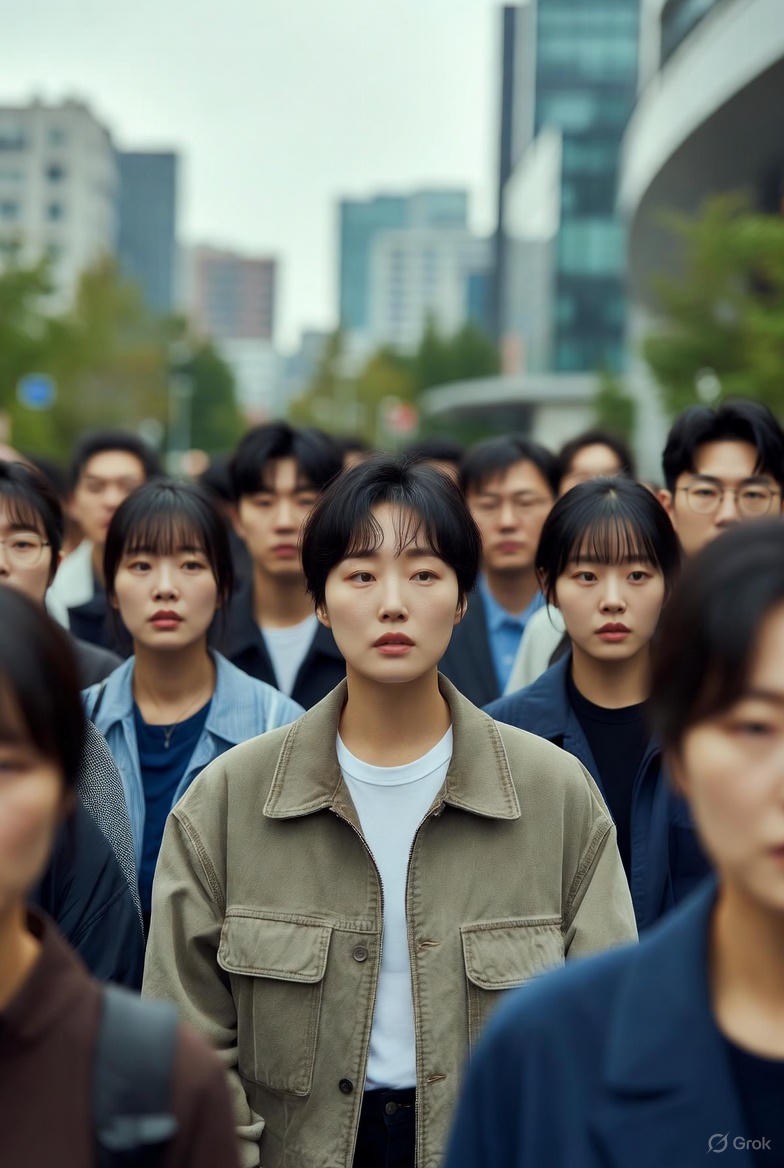
South Korea now faces a crucial question:
How can it remain a technological powerhouse without compromising the most basic human right—privacy?
This crisis is more than a headline; it is a turning point for Korean society and a reminder to the world that technological progress means nothing if it does not protect the people using it.
Comments