In a country widely admired for its technological advancement, ultra-fast internet, and smart cities, South Korea today is grappling with one of its most sensitive and complex social issues: the rise of digital sex crimes and the widespread leaking of private footage through hacked smart cameras. Although South Korea has long been seen as a pioneer of digital innovation, the same technology has created a new environment filled with legal, ethical, and social challenges. How the Crisis Began: When Smart Tech Becomes a Threat Over the past months, Korean media has been shaken by shocking revelations: Tens of thousands of private clips—captured through home security cameras, office cameras, and even hotel devices—were leaked and sold through hidden online networks. The real shock was not just the existence of these videos, but the scale of the breach and how easily hackers were able to access devices used daily by millions of people. Why This Is Not Just a Crime, But a Social Issue Beca...
Seoul is not just a capital — it’s a living heartbeat.
A city that blends tradition and technology, silence and noise, old rooftops and neon lights.
Every corner carries a moment worth remembering, and every moment feels like a scene from a Korean drama.
During my time in Seoul, I collected moments — small, beautiful snapshots that reveal the soul of the city. Here are the ones that stayed with me the most.
1. Sunrise Over the Han River: Seoul’s Softest Moment
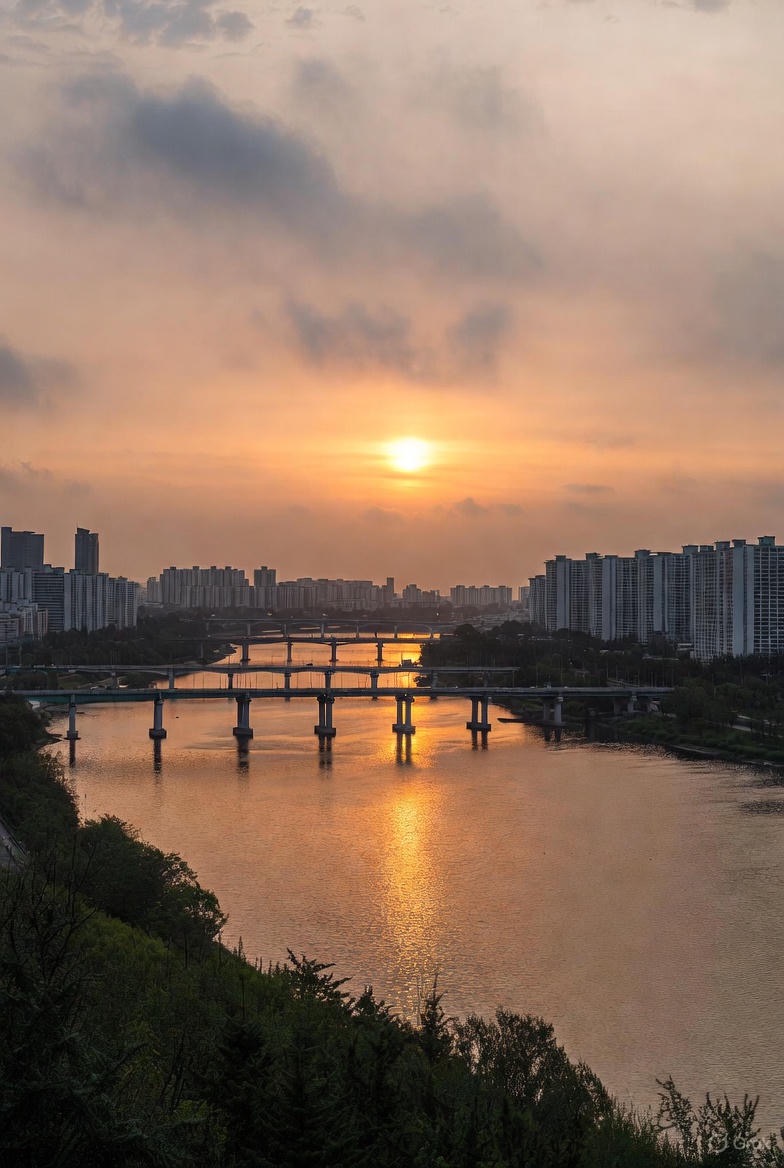
The Han River at sunrise is a completely different world.
No traffic, no rush — just the soft glow of pink skies reflecting on still water.
Cyclists pass quietly.
Elderly Koreans do their morning stretches.
The city breathes slowly, as if giving you permission to pause.
This was the moment I realized: Seoul is calm before it becomes powerful.
2. Street Food Nights in Myeongdong
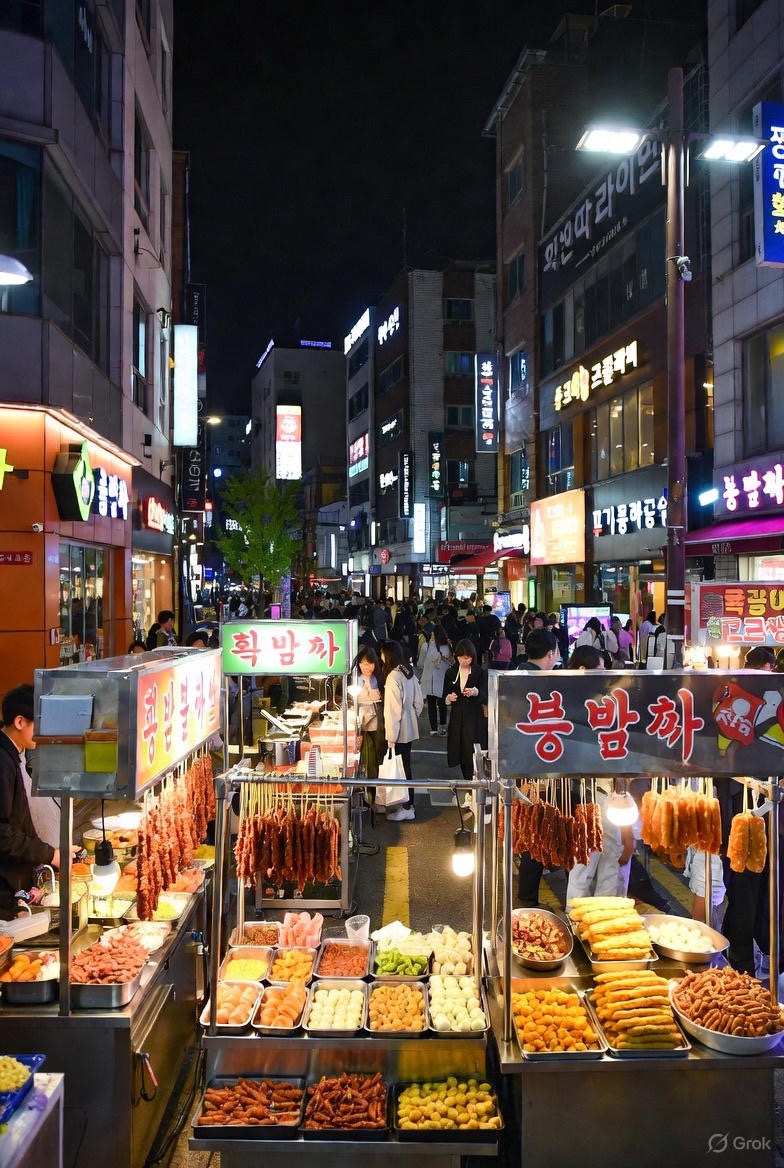
By sunset, Myeongdong transforms into a festival.
The smell of grilled cheese, sweet hotteok, spicy tteokbokki, and roasted corn fills the narrow streets.
Vendors shout cheerfully.
Tourists take photos.
Locals gather to grab their favorite snacks before heading home.
Trying Korean street food isn’t just eating — it’s joining the rhythm of the city.
3. The Rooftops of Ikseon-dong: Where Time Slows Down
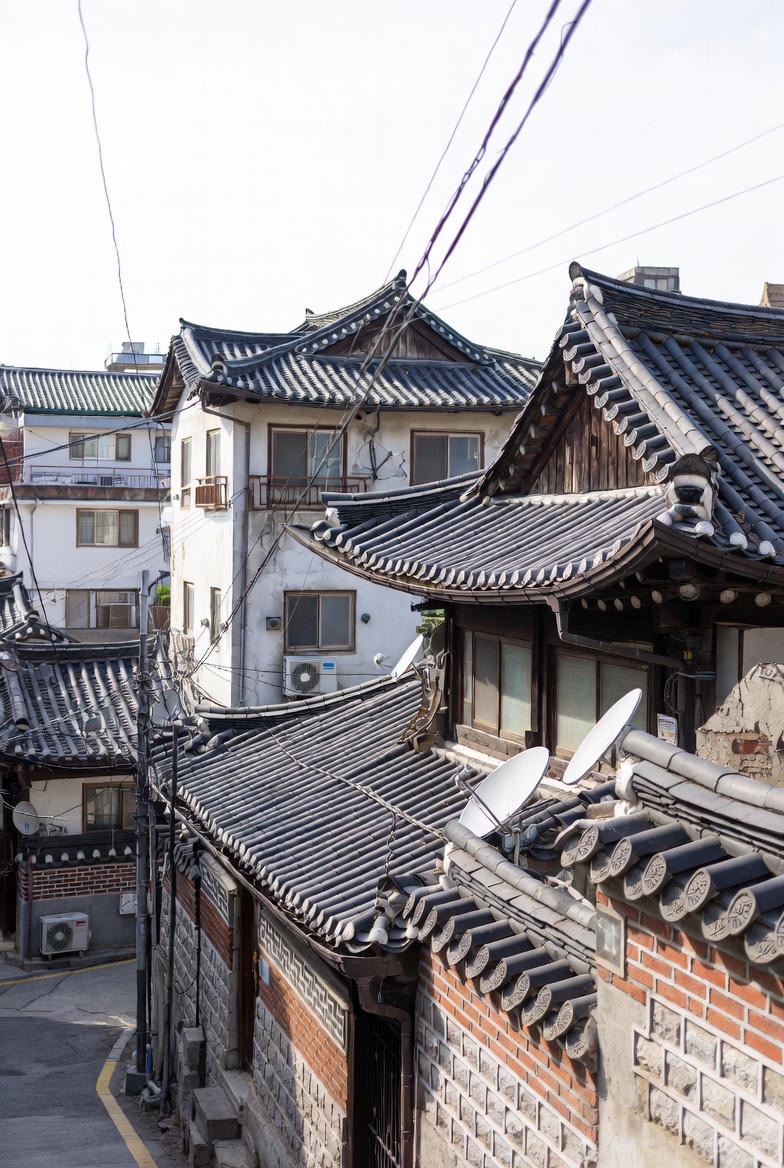
Ikseon-dong is one of Seoul’s hidden gems.
Hanok houses, narrow alleys, soft lights, and quiet cafés — a perfect escape from the city’s intensity.
I sat in a small rooftop café sipping hot yuja tea, watching the tiled roofs glow under warm lanterns.
In that moment, Seoul felt timeless.
It reminded me that beauty here often hides in unexpected corners.
4. Seoul’s Subway: The Most Organized Chaos You’ll Ever See
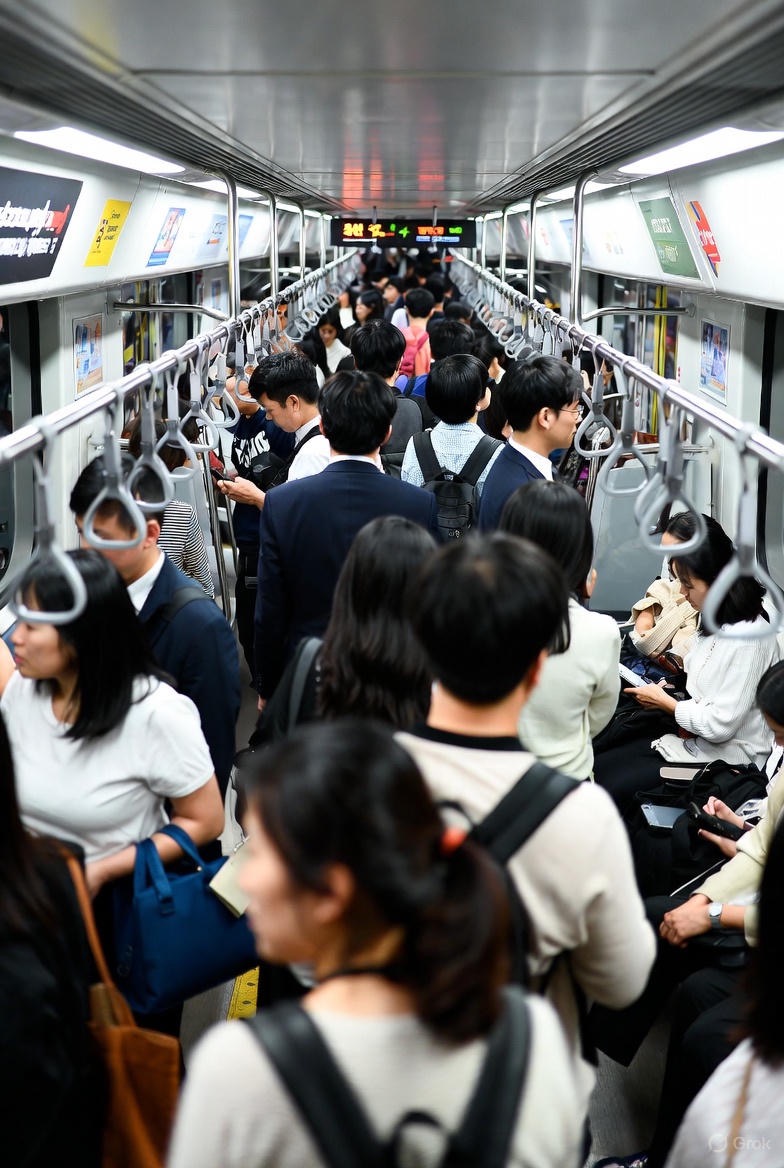
The Seoul Metro is a world of its own:
- Fast
- Clean
- Efficient
- Always on time
Yet inside the trains, everyone is quiet.
People reading webtoons, students reviewing notes, workers resting with headphones on.
It’s one of the few places where millions of strangers share the same silence — comfortably.
5-Gyeongbokgung Palace at Dusk: A Bridge to the Past
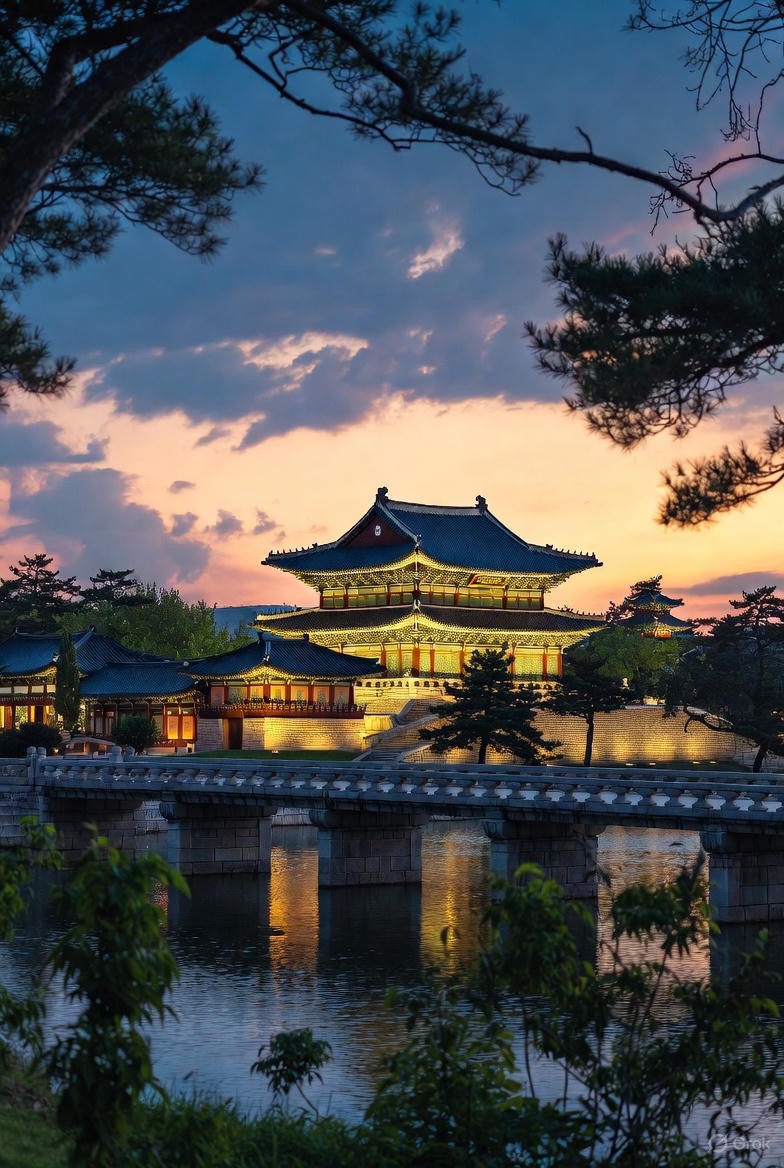
As the sun sets behind Bugaksan Mountain, the palace glows softly.
You can hear the drums from the guard ceremony echoing through the courtyard.
Standing there, surrounded by history and mountains, with modern skyscrapers peeking in the distance…
It feels like Seoul is telling two stories at once — one ancient, one futuristic.
6. Hidden Cafés in Hongdae: The Creative Side of Seoul
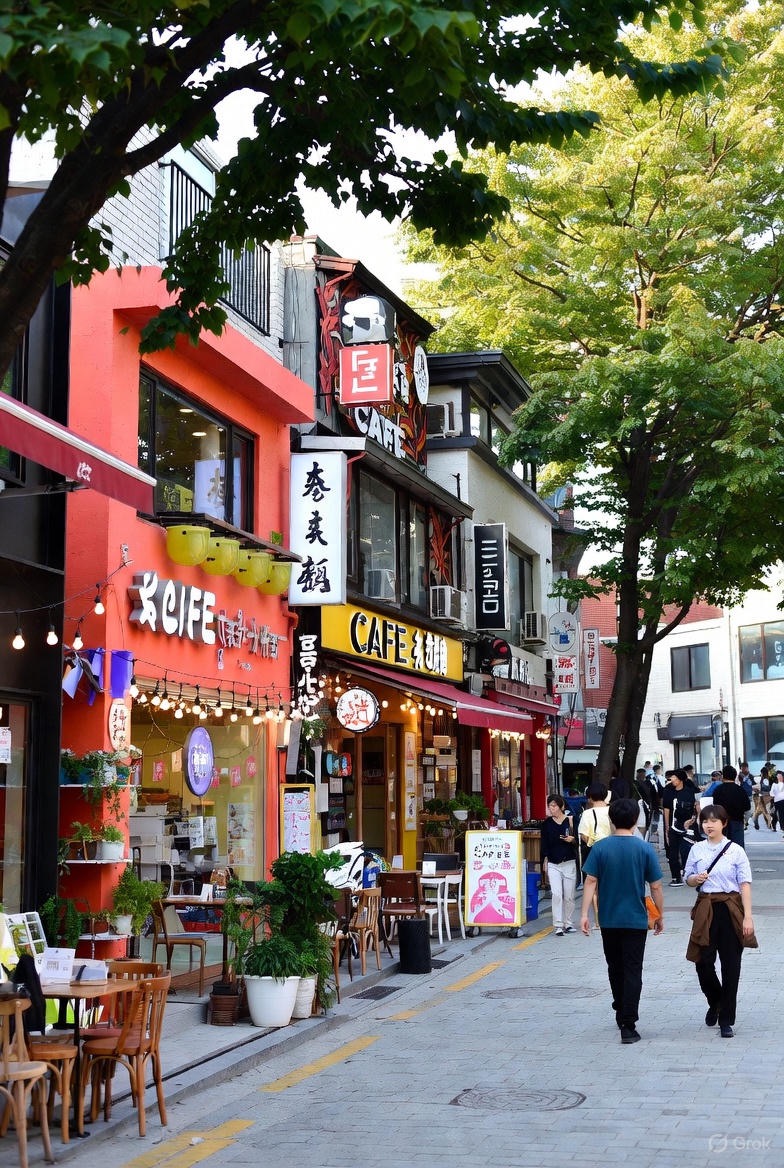
Hongdae is where Seoul’s youth culture lives.
Art walls, indie music, fashion experiments, and cafés with themes you won’t find anywhere else.
I walked into a café shaped like a comic book.
Another one served drinks on floating trays.
Some cafés have cats, others have raccoons — and some feel like an art museum.
Every café in Hongdae is a story.
7. Night Views from Namsan Tower
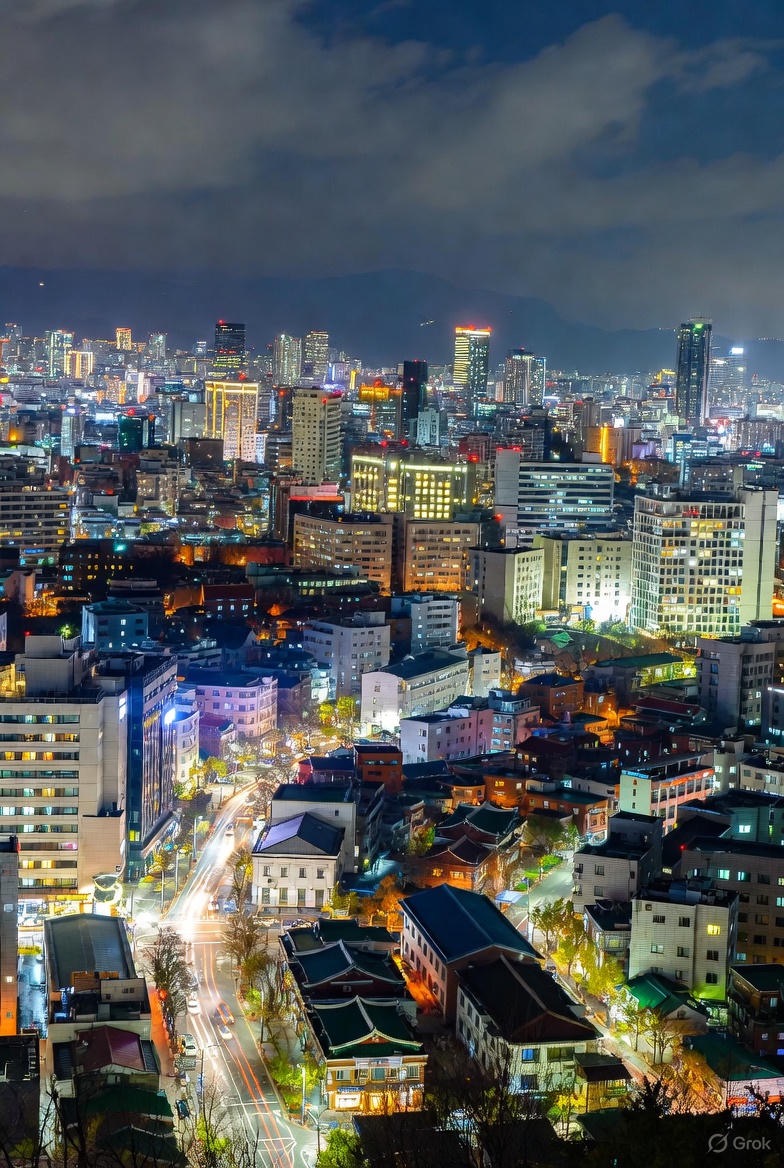
No moment in Seoul is more iconic than looking down at the city lights from Namsan Tower.
The roads look like golden rivers.
Buildings glow like stars.
Couples hang love locks on the railings.
The air feels cold and magical.
It’s the moment you finally see how huge, alive, and luminous Seoul really is.
8. Rainy Alleyways in Insadong
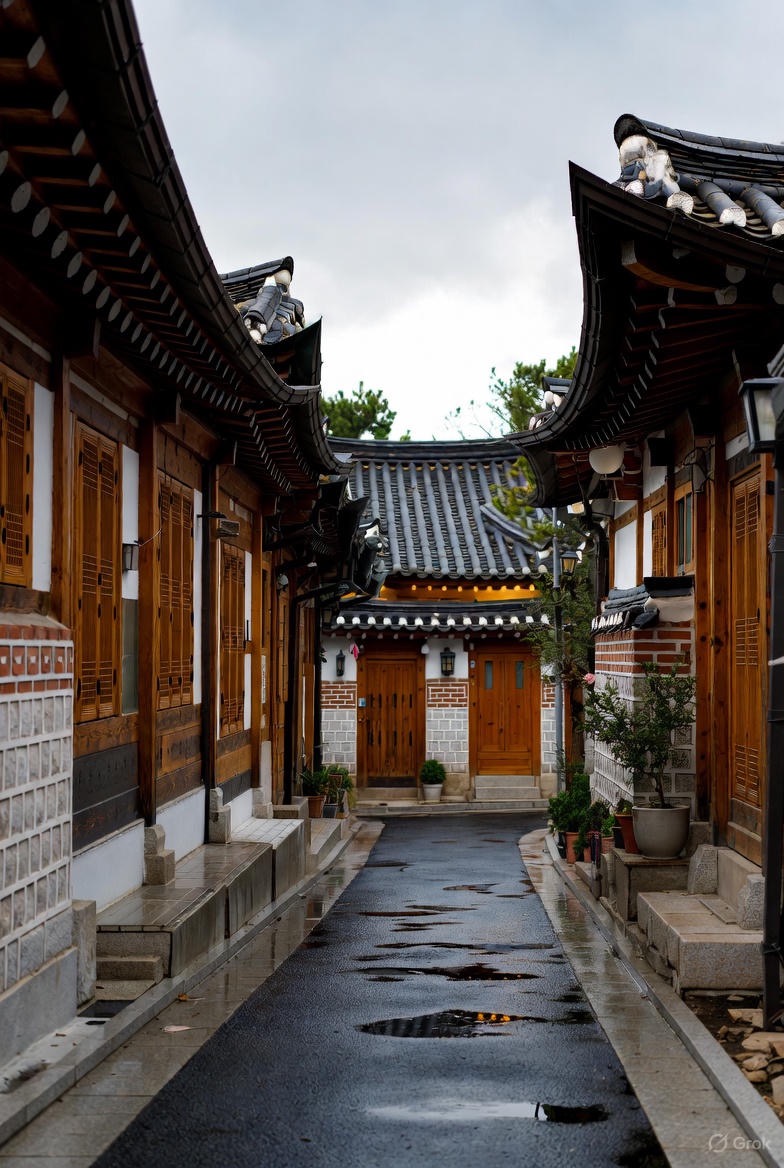
Rain in Seoul changes everything.
The sound of droplets on hanok roofs, reflections on stone streets, the smell of tea houses steaming in the cold air.
Insadong becomes poetic — a perfect place to get lost between antique shops and traditional calligraphy stores.
These rainy moments felt like a scene taken straight from a Korean drama.
9. Street Performers in Hongdae: Seoul’s Pure Soul
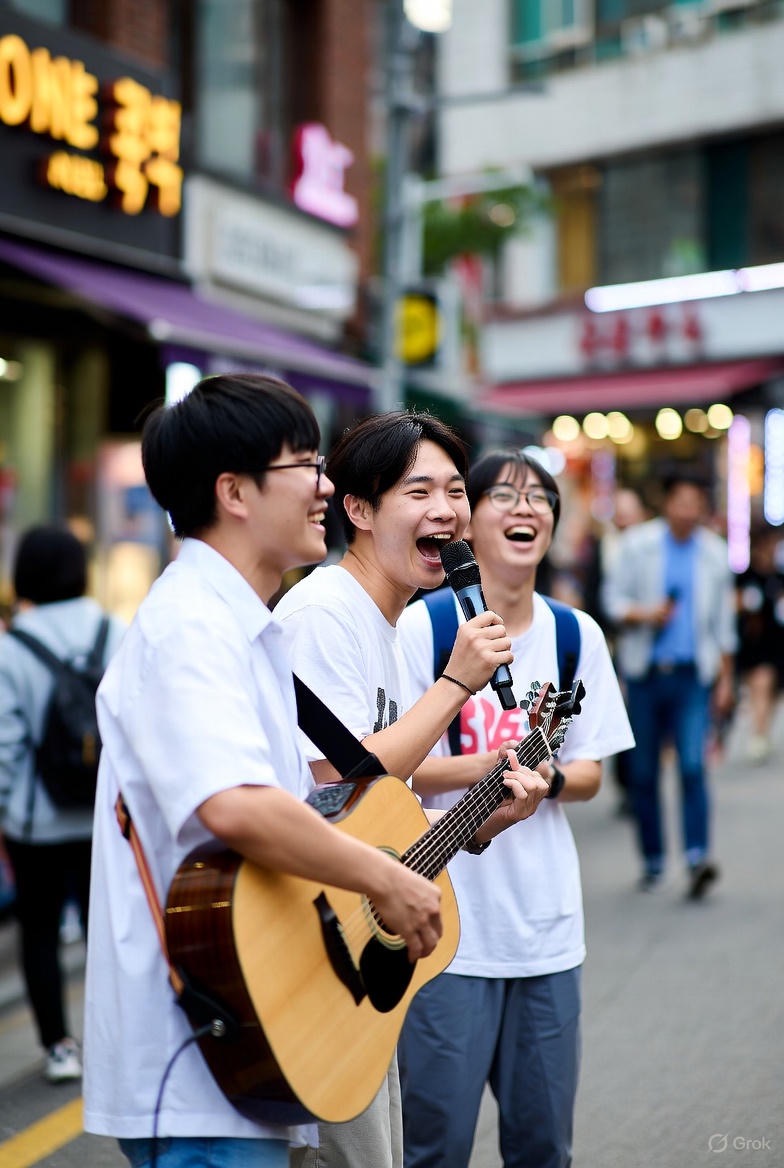
At night, musicians gather in the open streets of Hongdae.
Crowds sit on the ground, forming a circle around performers pouring their hearts into the music.
There’s no stage, no ticket, no barrier.
Just raw talent, emotions, and a shared connection between strangers.
This is the true heartbeat of Seoul.
10. A Moment to Remember: Seoul’s Quiet Goodness

One evening, an old woman approached me in the subway station.
She didn’t speak English, but she noticed I looked lost.
She gently guided me to the right platform, smiling as she walked away.
This small act of kindness is the spirit of Seoul — warm, subtle, and unforgettable
Conclusion: Seoul Is a City You Feel, Not Just Visit
Seoul is full of moments — big and small — that stay with you long after you leave.
It’s loud and peaceful, ancient and modern, chaotic and organized.
What makes it special isn’t the buildings or the food alone — but the emotions it gives you.
Every moment in Seoul feels alive.
And every moment tells a story.
Comments