
2000 – The First Inter-Korean Summit and a Historic Breakthrough

Introduction In June 2000, South Korea and North Korea achieved a historic milestone with the first-ever Inter-Korean Summit. This unprecedented meeting between South Korean President Kim Dae-jung and North Korean leader Kim Jong-il marked a dramatic shift in relations on the Korean Peninsula after decades of hostility, division, and military tension. Background: Decades of Division Since the end of the Korean War in 1953, the Korean Peninsula had remained divided, heavily militarized, and politically frozen. Communication between the two Koreas was minimal, and mutual distrust defined their relationship for nearly half a century. The Sunshine Policy, introduced in 1998, laid the groundwork for dialogue by promoting engagement, humanitarian cooperation, and confidence-building measures rather than confrontation. The 2000 Pyongyang Summit From June 13 to June 15, 2000, President Kim Dae-jung visited Pyongyang, becoming the first South Korean leader to do so. His...

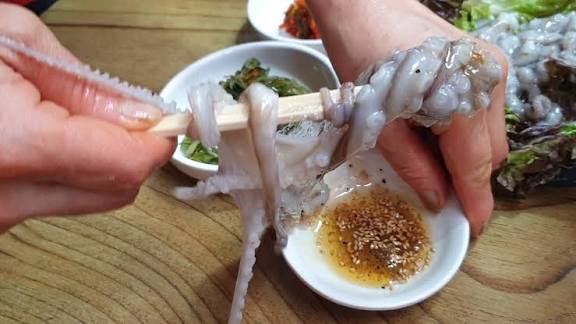
A Unique and Thrilling Experience: Tasting Sannakji in South Korea

For those who crave unique culinary adventures, trying Sannakji in South Korea is an unforgettable experience. This unusual dish consists of a live or freshly chopped small octopus, and you might even see its tentacles wriggling on the plate before your eyes. The taste is delicate, while the texture is chewy and lively, making every bite a mini adventure. It is typically served with sesame oil and salt and can be enjoyed with rice or fresh vegetables. A small but important warning: chew carefully to avoid any risk of choking, but that’s part of what makes the experience so thrilling for adventurous food lovers.

Comments

Popular posts from this blog

1996 – South Korea Joins the OECD and Steps into a New Era

​ Introduction In 1996, South Korea took a historic step that reshaped its economy and international image: joining the Organisation for Economic Co-operation and Development (OECD), often referred to as the “club of developed nations.” This milestone was more than a diplomatic achievement; it marked South Korea’s official transition from a developing country to a recognized global economic power. From Poverty to Global Ambition South Korea’s journey to OECD membership was long and challenging. Only a few decades earlier, the nation was among the poorest in the world, heavily dependent on foreign aid. By the 1990s, thanks to rapid industrialization and export-driven growth, the country had transformed itself. Key indicators of progress included: Expansion of major conglomerates like Samsung, LG, and Hyundai A rapidly growing export economy Strengthened financial systems Political stability and democratic reforms The international community began to recognize ...

What is “Bibimbap”?

It’s a mixed rice bowl with vegetables, beef, egg, and spicy gochujang sauce.

Which Countries Are Most Interested in South Korea?

​ Over the past two decades, South Korea has transformed into a global powerhouse, not only in technology and manufacturing but also in culture, entertainment, and lifestyle. This phenomenon, widely known as Korean Wave (Hallyu), has driven massive international interest. So, which countries are most interested in South Korea—and why? Japan – High Cultural Consumption Despite Historical Tensions Japan is one of the largest consumers of Korean cultural content, particularly: K-Dramas K-Pop Korean fashion and beauty trends Despite political and historical challenges, Korean entertainment consistently ranks among the most viewed foreign content in Japan. China – Massive Public Demand and Market Influence China remains a key driver of global interest in South Korea: Korean cosmetics dominate beauty trends Korean celebrities have massive fan bases Korean TV series and films maintain strong demand Even with periodic restrictions, Chinese audiences continue to f...