K-Drama Addict’s Spiral Notebook – Pink & Black Edition 🎬✨ Keep your "Hallyu" spirit alive with this trendy and hilarious spiral notebook! Whether you're ranking your favorite Oppas or jotting down iconic quotes, this notebook is the ultimate companion for every K-Drama and K-Pop enthusiast. Product Highlights: • Bold Aesthetic: Features a chic Pink & Black color palette that screams K-Pop style. • Witty & Fun: Adorned with relatable K-Drama humor that only a true fan would understand. • Premium Build: A sturdy Spiral-bound design that lays flat for easy writing and maximum comfort. • Ample Space: Includes 100 high-quality pages —perfect for journaling, fan-fiction, or tracking your "Must-Watch" list. • The Perfect Gift: An ideal present for birthdays, holidays, or just to surprise the K-Drama lover in your life. From heart-fluttering moments to second-lead syndrome, document your entire K-Drama journey in style!" 🌸🖤 Click h...
Introduction
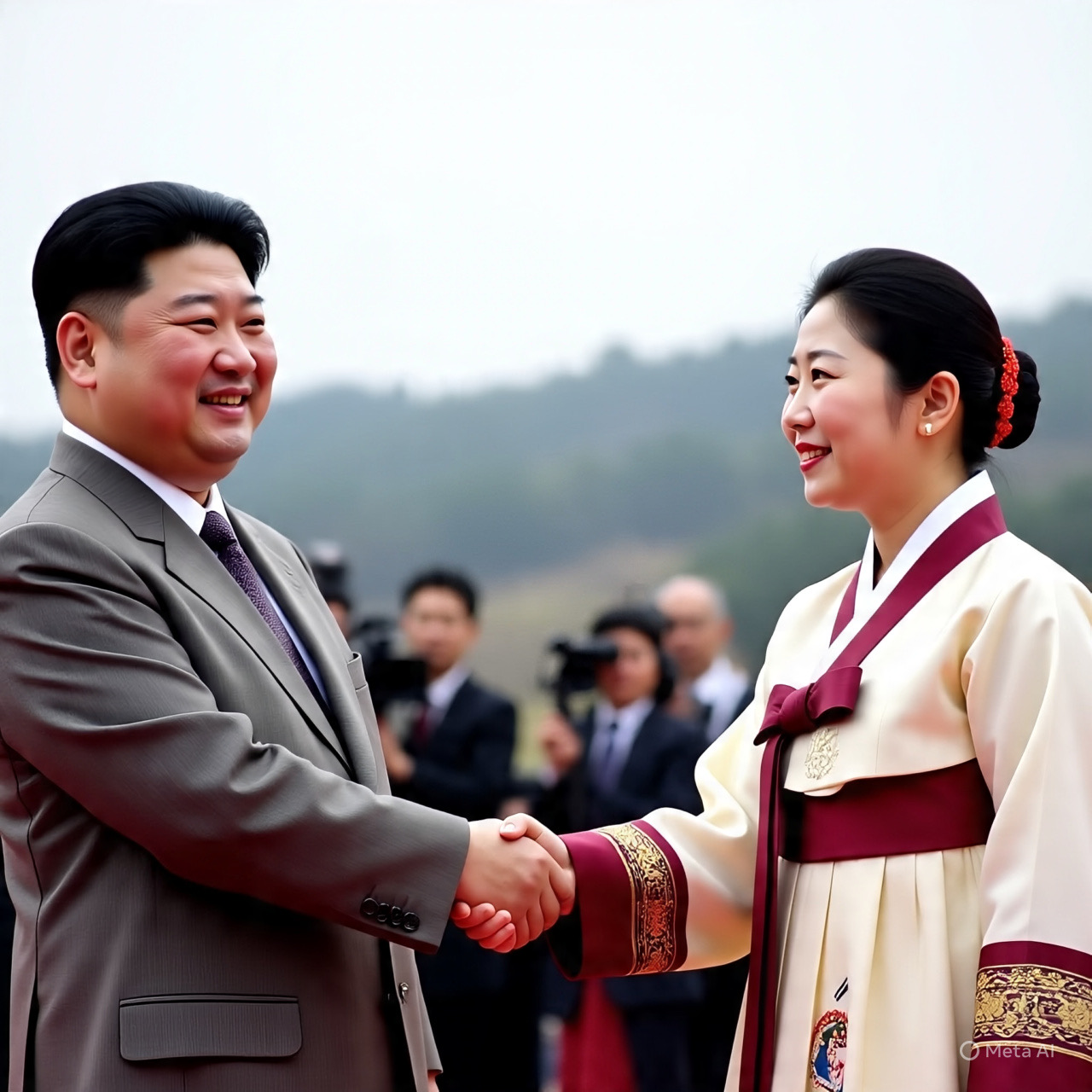
In June 2000, South Korea and North Korea achieved a historic milestone with the first-ever Inter-Korean Summit. This unprecedented meeting between South Korean President Kim Dae-jung and North Korean leader Kim Jong-il marked a dramatic shift in relations on the Korean Peninsula after decades of hostility, division, and military tension.
Background: Decades of Division
Since the end of the Korean War in 1953, the Korean Peninsula had remained divided, heavily militarized, and politically frozen. Communication between the two Koreas was minimal, and mutual distrust defined their relationship for nearly half a century.
The Sunshine Policy, introduced in 1998, laid the groundwork for dialogue by promoting engagement, humanitarian cooperation, and confidence-building measures rather than confrontation.
The 2000 Pyongyang Summit
From June 13 to June 15, 2000, President Kim Dae-jung visited Pyongyang, becoming the first South Korean leader to do so. His meeting with Kim Jong-il was broadcast worldwide and symbolized a powerful moment of reconciliation.
During the summit, both sides signed the June 15 North–South Joint Declaration, which included commitments to:
- Work toward peaceful reunification
- Promote economic and humanitarian cooperation
- Resume family reunions for separated families
- Encourage dialogue at multiple levels
Immediate Outcomes
The summit produced tangible results:
- Large-scale family reunions began later that year
- Economic cooperation projects expanded
- Cultural and sporting exchanges increased
- Military tensions temporarily eased
Public optimism surged in both Koreas, especially in the South, where hopes for lasting peace grew stronger.
Global Reaction and Recognition
The international community widely praised the summit as a breakthrough in one of the world’s most entrenched conflicts.
Later in 2000, President Kim Dae-jung received the Nobel Peace Prize, recognizing his leadership and commitment to peaceful reconciliation.
Long-Term Significance
Although relations between the two Koreas would later face setbacks, the 2000 summit:
- Established a precedent for future inter-Korean talks
- Proved that high-level dialogue was possible
- Shifted public perception from permanent hostility to cautious hope
It remains one of the most symbolic moments in modern Korean history.
Conclusion
The 2000 Inter-Korean Summit demonstrated that even the deepest divisions can be challenged through dialogue and political courage. While reunification remains unresolved, this historic meeting redefined what was possible on the Korean Peninsula.
Comments