K-Drama Addict’s Spiral Notebook – Pink & Black Edition 🎬✨ Keep your "Hallyu" spirit alive with this trendy and hilarious spiral notebook! Whether you're ranking your favorite Oppas or jotting down iconic quotes, this notebook is the ultimate companion for every K-Drama and K-Pop enthusiast. Product Highlights: • Bold Aesthetic: Features a chic Pink & Black color palette that screams K-Pop style. • Witty & Fun: Adorned with relatable K-Drama humor that only a true fan would understand. • Premium Build: A sturdy Spiral-bound design that lays flat for easy writing and maximum comfort. • Ample Space: Includes 100 high-quality pages —perfect for journaling, fan-fiction, or tracking your "Must-Watch" list. • The Perfect Gift: An ideal present for birthdays, holidays, or just to surprise the K-Drama lover in your life. From heart-fluttering moments to second-lead syndrome, document your entire K-Drama journey in style!" 🌸🖤 Click h...
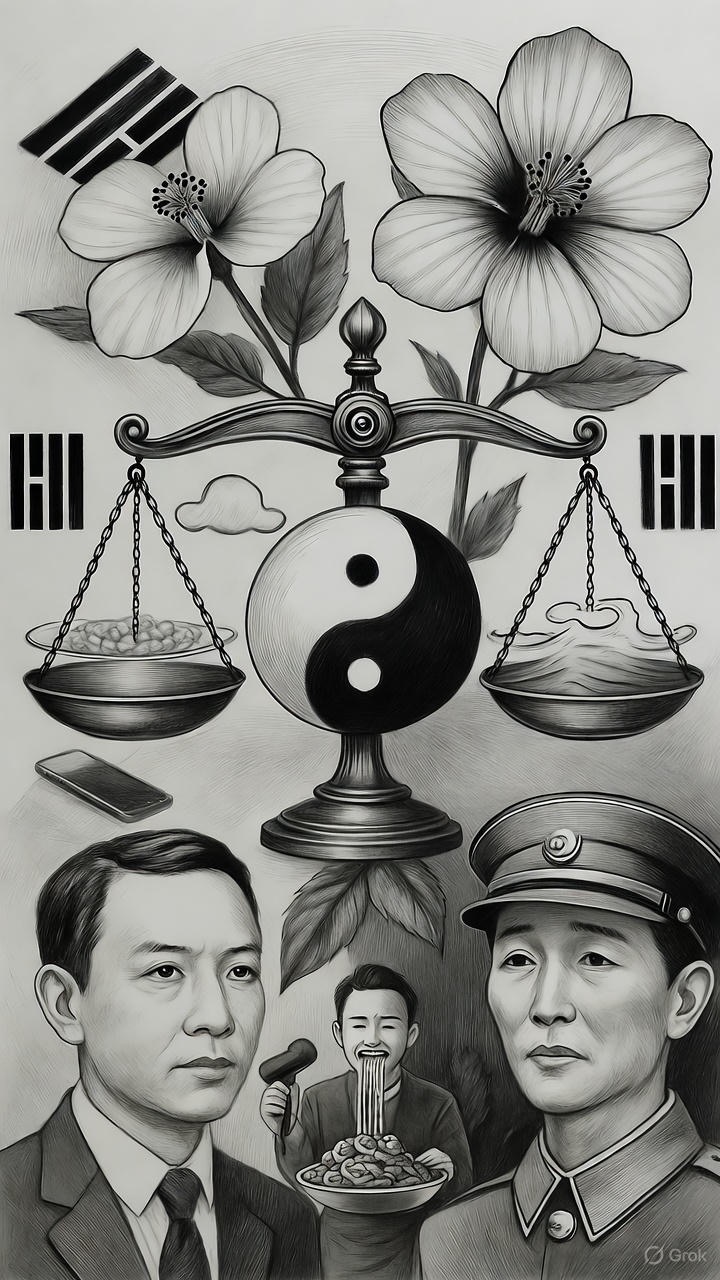
Acrylic South Korean Flag Keychain. Perfect for keys, bags & car accessories. Cute, gothic Y2K style. Ideal small gift.
South Korean Flag Acrylic Keychain – Cute Gothic Y2K Style Accessory! 🇰🇷✨ Content: Looking for a stylish way to show your love for Korea? This Acrylic South Korean Flag Keychain is the perfect small accessory for K-pop and K-drama fans. Key Features: • Made of high-quality lightweight and durable acrylic • Features the iconic Taegeukgi (South Korean flag) with bright, clear colors • Cute gothic Y2K design – trendy, aesthetic, and eye-catching • Compact size, easy to carry every day • Great for keys, backpacks, handbags, car mirrors, or as a small decoration It’s a simple yet meaningful piece that adds a touch of Korean pride to your daily style. Whether you’re a fan of BTS, BLACKPINK, NewJeans, or just love Korean culture, this keychain is a must-have. Why you’ll love it: • Super affordable • Lightweight and sturdy (won’t rust like metal) • Perfect as a small gift for friends or yourself Buy it here: Click here to buy o...
Comments