K-Drama Addict’s Spiral Notebook – Pink & Black Edition 🎬✨ Keep your "Hallyu" spirit alive with this trendy and hilarious spiral notebook! Whether you're ranking your favorite Oppas or jotting down iconic quotes, this notebook is the ultimate companion for every K-Drama and K-Pop enthusiast. Product Highlights: • Bold Aesthetic: Features a chic Pink & Black color palette that screams K-Pop style. • Witty & Fun: Adorned with relatable K-Drama humor that only a true fan would understand. • Premium Build: A sturdy Spiral-bound design that lays flat for easy writing and maximum comfort. • Ample Space: Includes 100 high-quality pages —perfect for journaling, fan-fiction, or tracking your "Must-Watch" list. • The Perfect Gift: An ideal present for birthdays, holidays, or just to surprise the K-Drama lover in your life. From heart-fluttering moments to second-lead syndrome, document your entire K-Drama journey in style!" 🌸🖤 Click h...
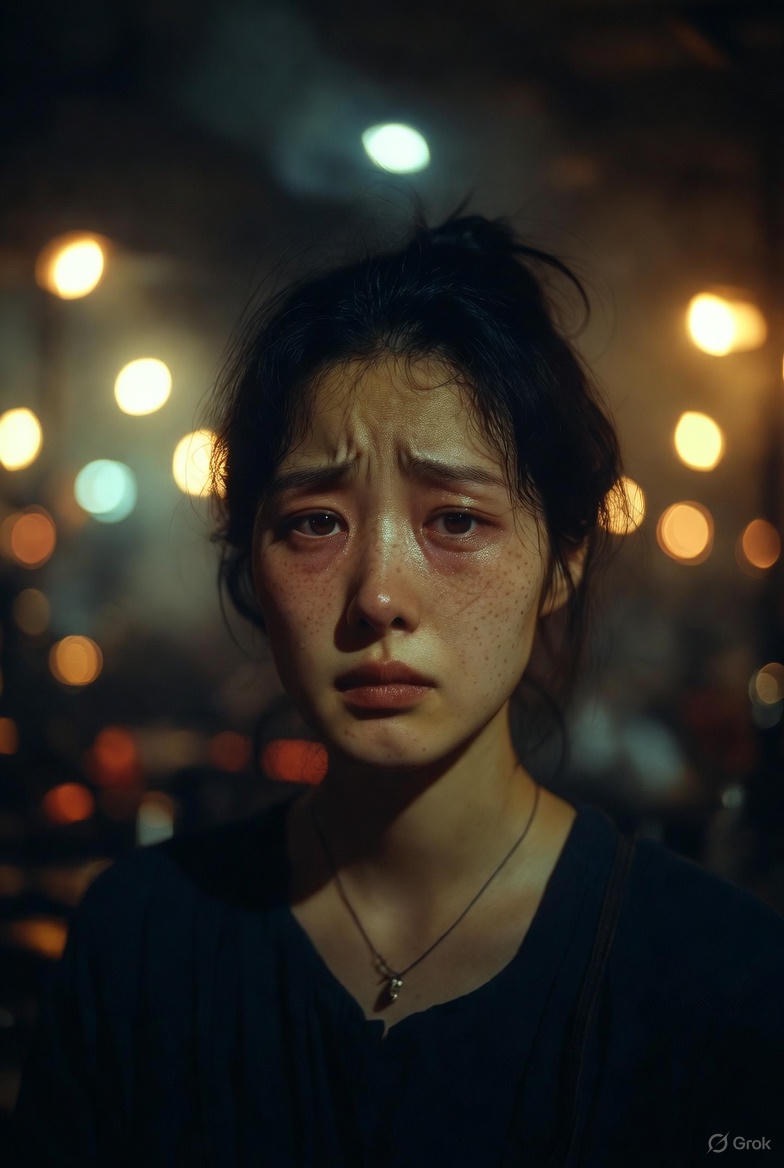
November 21, 1997, was a cold, ordinary autumn day in Seoul. The sky was overcast, people hurried to work, and nothing seemed particularly unusual. Yet, in a single moment on that day, three decades of an astonishing economic miracle collapsed. In just a few minutes, South Korea—the country celebrated worldwide as an economic miracle—stood on the brink of officially declaring bankruptcy and begging for rescue from the International Monetary Fund.
Only two years earlier, in December 1996, South Korea had proudly joined the OECD, the “rich nations’ club,” becoming the first Asian country to do so after World War II. Everyone congratulated it. No one imagined that, less than a year later, it would also become the first OECD member in history to go bankrupt.
How did we get here?
The story actually began in January 1997 when Hanbo Steel, the country’s second-largest steel producer and one of the major chaebols (family-controlled conglomerates), filed for bankruptcy with debts exceeding $6 billion. Hanbo’s collapse shocked the nation because everyone had assumed the government would always bail out the big chaebols. This time, it didn’t.
Then the dominoes fell, one after another:
• March 1997: Sammi Steel
• April 1997: Jinro Group
• July 1997: Kia Motors (the third-largest car manufacturer)
• August 1997: Halla Group
• October 1997: Daewoo begins its death spiral
Each bankruptcy revealed terrifying levels of debt, most of it short-term, denominated in dollars and Japanese yen, while the underlying assets were long-term and illiquid.
The Deeper Cause: The Korean Development Model That Succeeded… Until It Failed
Since the 1960s, South Korea had built its economy on three pillars:
1. Government-backed chaebols receiving cheap loans.
2. Export-led growth supported by periodic devaluation of the won.
3. Massive investment in heavy industry, chemicals, shipbuilding, and semiconductors.
This model delivered 8–10% annual growth for thirty consecutive years. But by the mid-1990s, the cracks were visible:
• Chaebols expanded blindly (by 1998, Daewoo owned 41 subsidiaries).
• Banks lent money based on the chaebol’s name, not project viability.
• Debt-to-equity ratios in major chaebols reached 500%, sometimes 900%.
• Most borrowing was short-term (less than one year), while projects needed 10–15 years to mature.
The Spark: The Thai Crisis
On July 2, 1997, Thailand abandoned the baht’s peg to the dollar. Within weeks, the Thai currency lost 50% of its value. The contagion spread rapidly to Malaysia, Indonesia, the Philippines… and finally South Korea.
Foreign investors saw that almost every East Asian economy suffered from the same problems: huge short-term foreign debt, weak foreign exchange reserves, real estate bubbles. They started pulling money out at lightning speed.
In October 1997, the Seoul stock market plunged 30% in a matter of weeks. The won began to collapse, and the Bank of Korea tried to defend it by burning through foreign reserves—losing $10 billion in a single week.
The Darkest Day: November 21, 1997
That morning, the Finance Minister announced that usable foreign reserves had fallen below $7 billion—barely enough to cover one week of debt payments. South Korea could no longer service its short-term obligations.
Secret negotiations with the IMF began the same day.
What Happened to Ordinary People?
In just a few weeks:
• The won crashed from around 850 to the dollar to over 1,950 by January 1998.
• Import prices (oil, food, raw materials) doubled overnight.
• Banks hiked interest rates to 30–40% to stem capital flight.
• Companies began mass layoffs under the euphemism “honorary retirement” or “voluntary early retirement” (희망퇴직)—a polite name for forced dismissal.
• Factory owners started shutting down plants in the middle of the night and disappearing before workers arrived.
In January 1998, a nationwide campaign was launched: “Let’s collect gold to save the nation.” Thousands of Koreans lined up outside collection centers, handing over wedding rings, earrings, gold teeth, even gold spoons. In just three months, 227 tons of gold worth more than $2.2 billion were donated.
Climbing Out of the Abyss
By August 1998—less than a year later—the won began to recover. By 2001, South Korea had repaid every penny of the IMF loan three years ahead of schedule. Chaebols were forcibly restructured, failing banks were closed or merged, laws were rewritten, and the economy became far more transparent and open.
But the price was enormous. An entire generation carries deep psychological scars. In Korean, the word “IMF” no longer refers to an institution—it simply means absolute catastrophe.
Even today, when the economy slows even slightly, Koreans say to each other:
“Just… don’t let it be like 1997 again.”
Because the memory of that freezing winter, twenty-eight years ago, is still painfully alive.
Comments