K-Drama Addict’s Spiral Notebook – Pink & Black Edition 🎬✨ Keep your "Hallyu" spirit alive with this trendy and hilarious spiral notebook! Whether you're ranking your favorite Oppas or jotting down iconic quotes, this notebook is the ultimate companion for every K-Drama and K-Pop enthusiast. Product Highlights: • Bold Aesthetic: Features a chic Pink & Black color palette that screams K-Pop style. • Witty & Fun: Adorned with relatable K-Drama humor that only a true fan would understand. • Premium Build: A sturdy Spiral-bound design that lays flat for easy writing and maximum comfort. • Ample Space: Includes 100 high-quality pages —perfect for journaling, fan-fiction, or tracking your "Must-Watch" list. • The Perfect Gift: An ideal present for birthdays, holidays, or just to surprise the K-Drama lover in your life. From heart-fluttering moments to second-lead syndrome, document your entire K-Drama journey in style!" 🌸🖤 Click h...
South Korea is widely known for its advanced technology and fast-paced lifestyle, yet one of its most remarkable social traits is the strong respect for personal privacy. Despite crowded cities and busy public spaces, privacy remains a deeply rooted cultural value.
How Privacy Is Respected in Daily Life
In public transportation, loud conversations are rare. People often avoid phone calls and prefer texting instead. Looking at someone else’s phone screen is considered impolite, reflecting a shared social understanding of personal boundaries.
Privacy in a High-Tech Society
Although surveillance cameras and smart technologies are common in South Korea, their use is generally regulated and socially accepted for public safety, not personal intrusion. This balance between security and privacy is one of the country’s unique strengths.
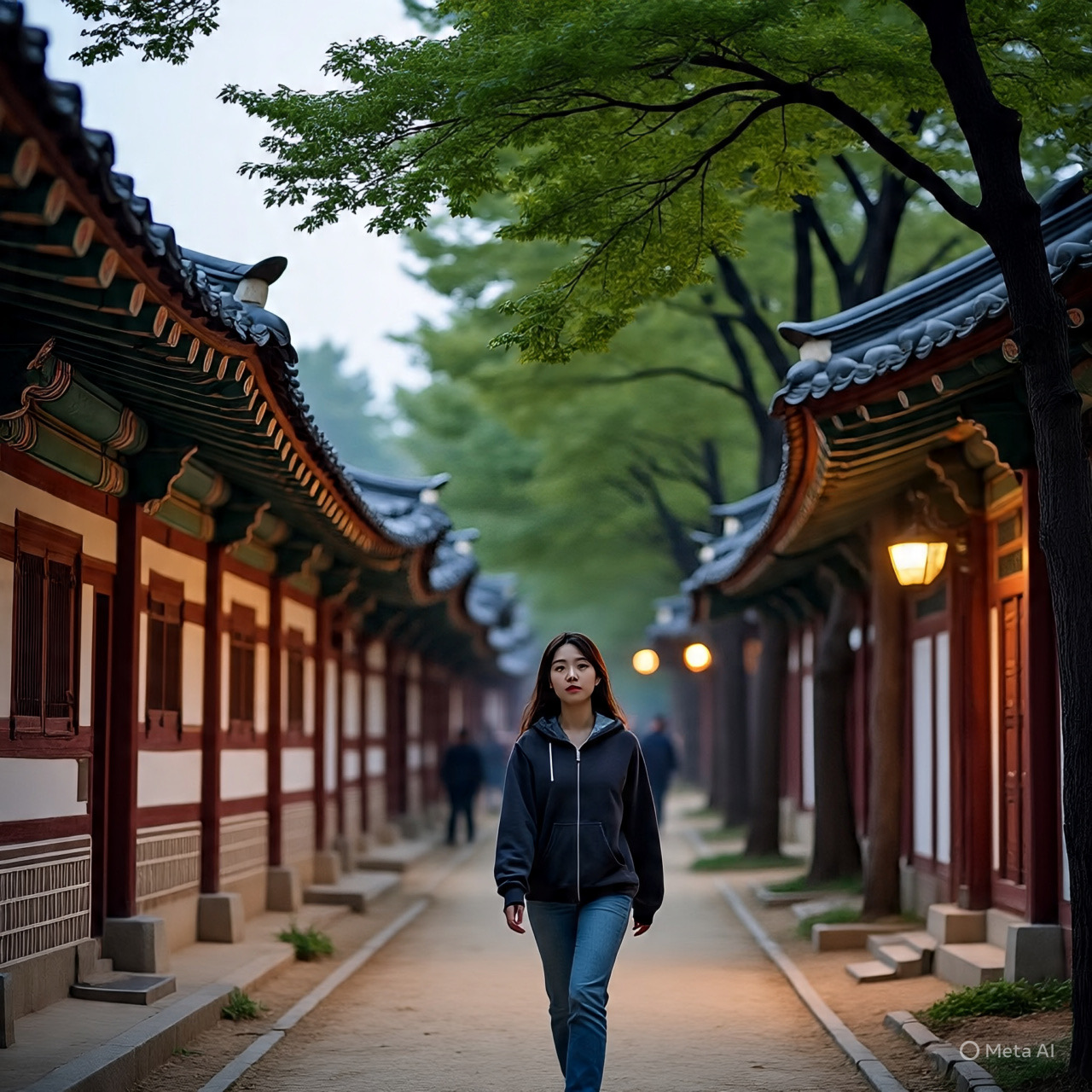
The Culture of “Not Interfering”
Asking personal questions or interfering in others’ affairs is socially discouraged. This unwritten rule creates a comfortable environment for both residents and visitors, allowing individuals to live freely without unnecessary social pressure.
Why South Korea Is a Model for Privacy Respect
- High social awareness
- Clear data protection laws
- Strong personal boundaries
- Ethical use of technology
Conclusion
Respect for privacy in South Korea is not just enforced by law—it is practiced daily as part of the culture. This mindset plays a major role in the country’s high quality of life and makes living or visiting South Korea a uniquely comfortable experience.
Comments