K-Drama Addict’s Spiral Notebook – Pink & Black Edition 🎬✨ Keep your "Hallyu" spirit alive with this trendy and hilarious spiral notebook! Whether you're ranking your favorite Oppas or jotting down iconic quotes, this notebook is the ultimate companion for every K-Drama and K-Pop enthusiast. Product Highlights: • Bold Aesthetic: Features a chic Pink & Black color palette that screams K-Pop style. • Witty & Fun: Adorned with relatable K-Drama humor that only a true fan would understand. • Premium Build: A sturdy Spiral-bound design that lays flat for easy writing and maximum comfort. • Ample Space: Includes 100 high-quality pages —perfect for journaling, fan-fiction, or tracking your "Must-Watch" list. • The Perfect Gift: An ideal present for birthdays, holidays, or just to surprise the K-Drama lover in your life. From heart-fluttering moments to second-lead syndrome, document your entire K-Drama journey in style!" 🌸🖤 Click h...
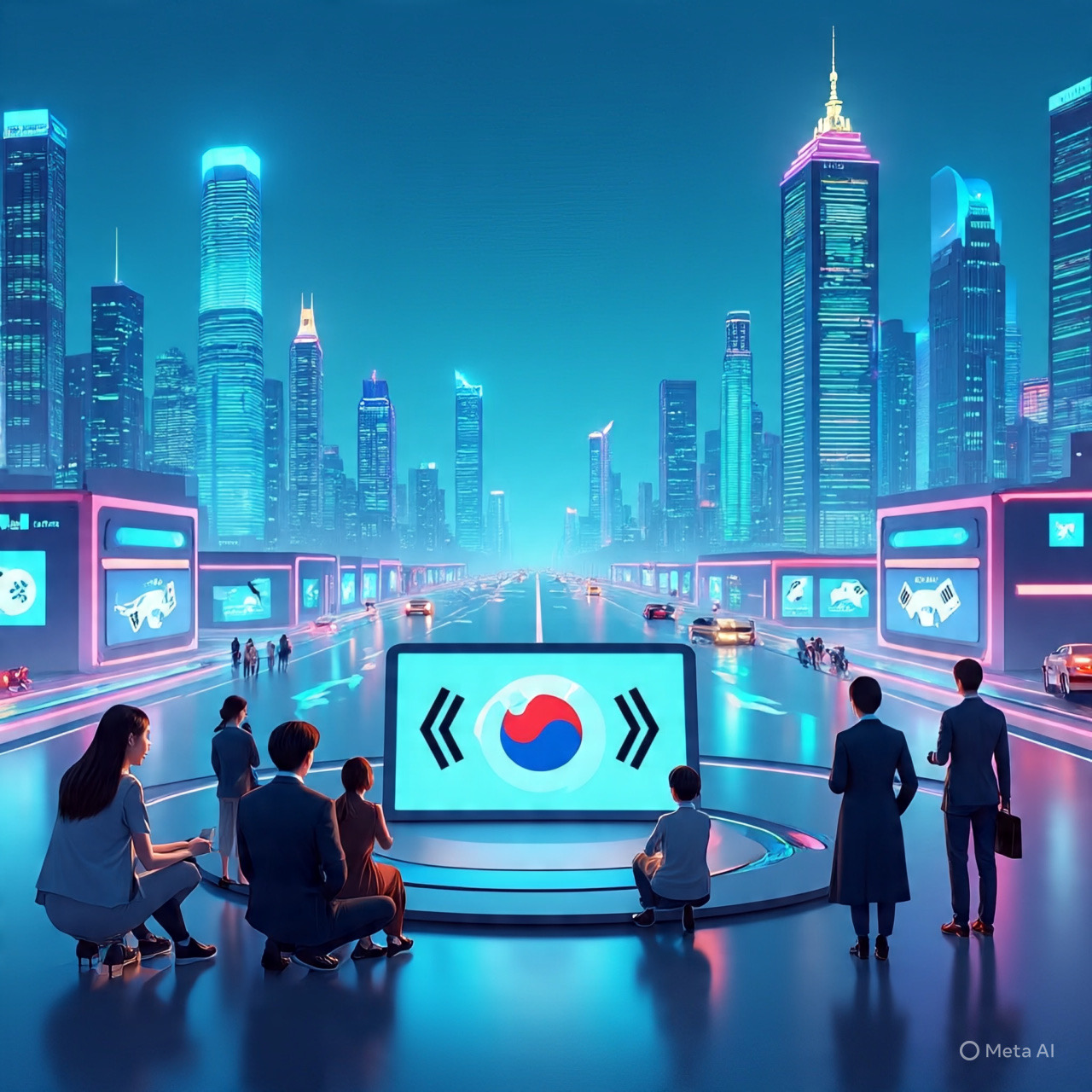
In the age of rapid digital transformation, cities are no longer just places to live—they have become intelligent ecosystems powered by advanced technology. South Korea stands out as one of the world’s leading countries in developing and implementing smart city solutions, setting a global benchmark for future urban development.
What Is a Smart City?
A smart city uses digital technologies such as Artificial Intelligence (AI), Internet of Things (IoT), and Big Data analytics to improve urban services, optimize resources, enhance sustainability, and elevate the quality of life for residents.
Why South Korea Leads the Smart City Revolution
1️⃣ Advanced Digital Infrastructure
South Korea has one of the fastest and most reliable internet networks in the world. This robust infrastructure enables seamless connectivity between millions of smart devices, sensors, and platforms—an essential foundation for smart city operations.
2️⃣ Strong Government Support
The Korean government has adopted clear national strategies focused on digital transformation and smart urban development. Large investments in research, innovation, and public-private partnerships have accelerated the deployment of smart city technologies.
3️⃣ Tech-Savvy Society
South Korean society is highly receptive to new technologies. Citizens actively use digital services in transportation, healthcare, payments, and public administration, making smart city adoption faster and more effective.
Songdo Smart City: A Global Model
Songdo International Business District is one of the most famous smart cities in the world. Built from scratch, Songdo integrates technology into every aspect of urban life.
Key Smart Features in Songdo:
- Automated waste collection systems without traditional garbage trucks
- Real-time traffic monitoring and congestion management
- Energy-efficient smart buildings
- Extensive green spaces and eco-friendly urban planning
The Role of Artificial Intelligence in Korean Cities
Artificial Intelligence plays a central role in South Korea’s smart city ecosystem by supporting:
- Public safety through intelligent surveillance systems
- Healthcare services via data-driven medical analysis
- Disaster prediction and emergency response systems
- Smart transportation and accident prevention
Sustainability and Environmental Impact
Smart cities in South Korea focus heavily on environmental sustainability. These initiatives help:
- Reduce energy consumption
- Lower carbon emissions
- Promote electric and eco-friendly transportation
- Improve water and waste resource management
Challenges Facing Smart Cities
Despite impressive progress, smart cities face several challenges, including:
- Data privacy and cybersecurity concerns
- High infrastructure and implementation costs
- Continuous system maintenance and upgrades
- Workforce training and digital skills development
The Future of Smart Cities in South Korea
Looking ahead, South Korea aims to further advance smart city development by:
- Integrating 6G and next-generation connectivity
- Using Digital Twin technology for city simulation and planning
- Designing age-friendly smart cities
- Expanding renewable energy integration
Conclusion
South Korea’s smart city journey demonstrates how technology-driven planning can transform urban living. Smart cities are no longer a luxury—they are a necessity for creating sustainable, efficient, and human-centered urban environments.
Comments