K-Drama Addict’s Spiral Notebook – Pink & Black Edition 🎬✨ Keep your "Hallyu" spirit alive with this trendy and hilarious spiral notebook! Whether you're ranking your favorite Oppas or jotting down iconic quotes, this notebook is the ultimate companion for every K-Drama and K-Pop enthusiast. Product Highlights: • Bold Aesthetic: Features a chic Pink & Black color palette that screams K-Pop style. • Witty & Fun: Adorned with relatable K-Drama humor that only a true fan would understand. • Premium Build: A sturdy Spiral-bound design that lays flat for easy writing and maximum comfort. • Ample Space: Includes 100 high-quality pages —perfect for journaling, fan-fiction, or tracking your "Must-Watch" list. • The Perfect Gift: An ideal present for birthdays, holidays, or just to surprise the K-Drama lover in your life. From heart-fluttering moments to second-lead syndrome, document your entire K-Drama journey in style!" 🌸🖤 Click h...
October 29, 2022 — a night meant for celebration, laughter, and costume parties turned into one of the most tragic nights in modern Korean history.
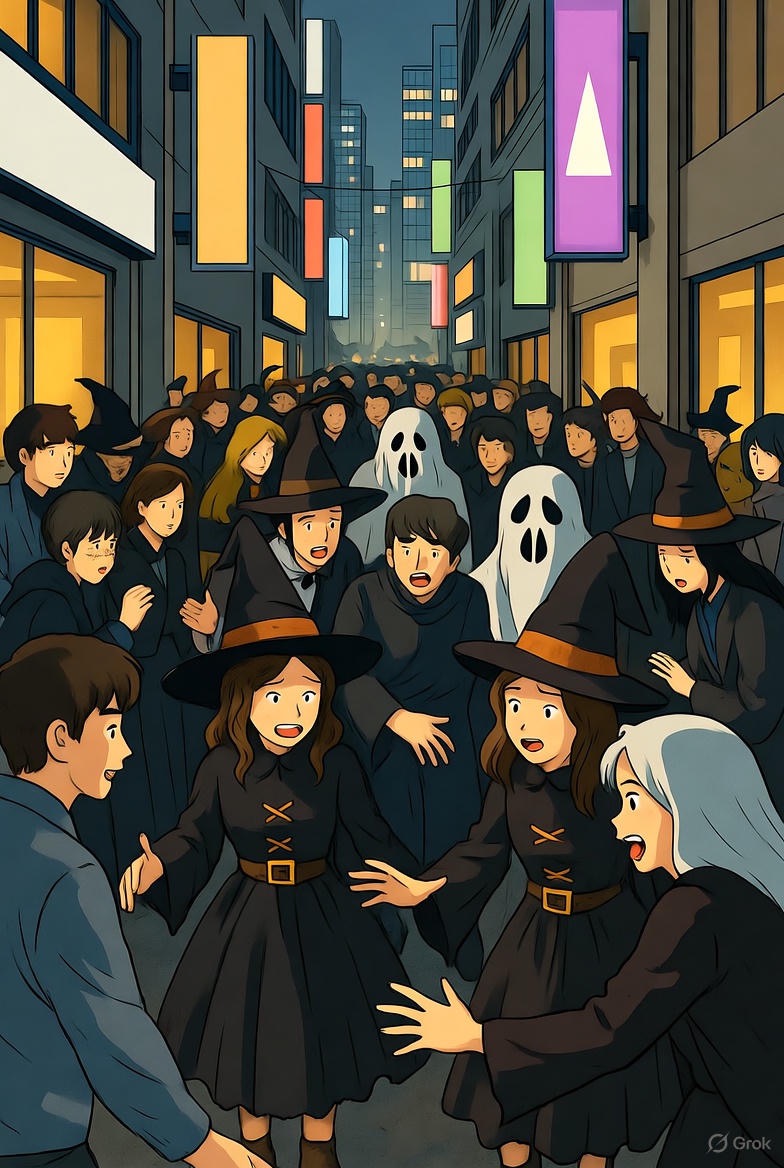
The streets of Itaewon, Seoul’s famous nightlife district, were filled with over 100,000 people gathered to celebrate Halloween freely for the first time since the pandemic. The air buzzed with excitement — music, neon lights, laughter — until it all turned into chaos within minutes.
The Night of Joy Turned to Fear
Around 10:00 p.m., the narrow alleys of Itaewon became dangerously overcrowded.
The joyful energy shifted to tension as people found themselves unable to move, trapped shoulder to shoulder.
Then came the screams.
A human wave began to push through one of the narrow slopes — barely 3.2 meters wide — crushing those caught in the middle. People fell, others stumbled over them, and within seconds, panic became tragedy.
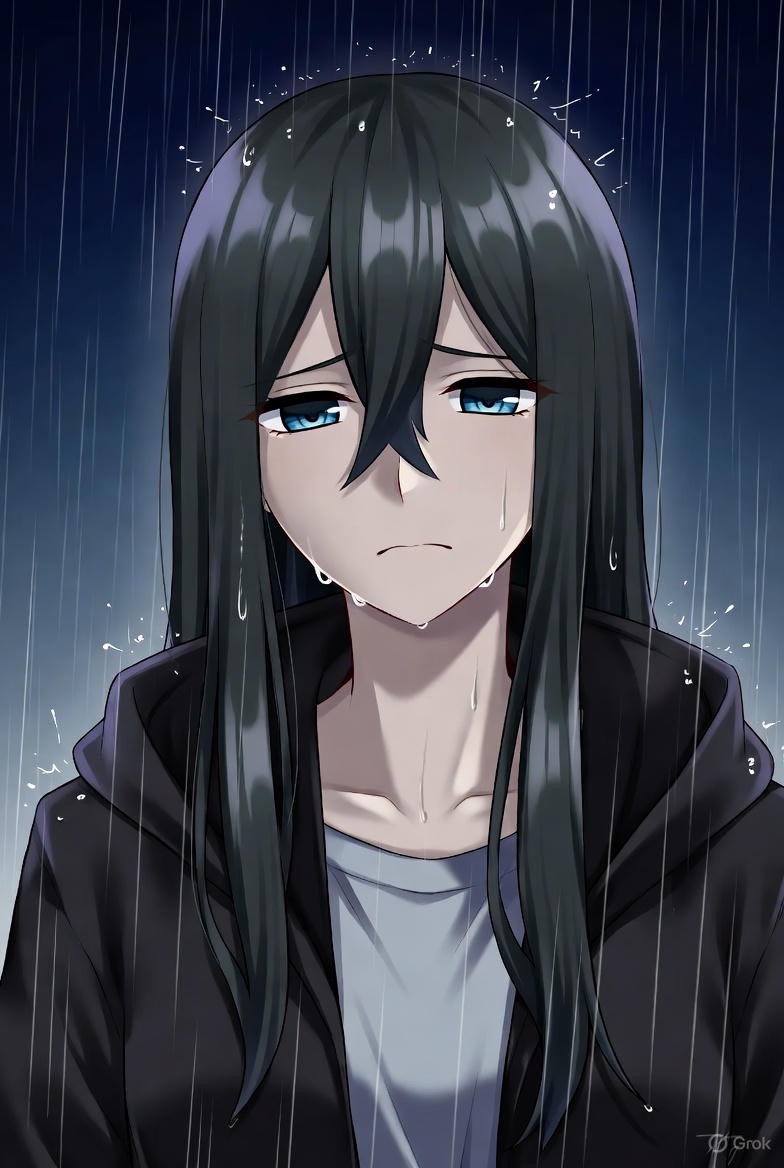
Voices in the Crowd
Dozens of calls flooded emergency hotlines:
“People can’t breathe.”
“They’re collapsing.”
“Please send help — they’re dying.”
But help came too late.
By the time rescuers reached the scene, it was already too crowded to move freely. First responders fought their way through desperate screams, performing CPR on sidewalks illuminated by flashing neon lights.
When the night finally fell silent, 159 lives were lost — mostly young people in their 20s.
A Nation in Mourning
The next morning, Itaewon — once alive with color and sound — was covered in white flowers and tears.
Families searched for their loved ones in hospitals and police stations, praying to hear a familiar voice.
The country watched in disbelief. How could such tragedy happen in the heart of Seoul, under the eyes of so many?
Flags were lowered to half-mast, and the entire nation paused.
The government declared a national mourning period, and thousands gathered to lay flowers, write messages, and light candles for the victims.

Questions, Accountability, and Change
Investigations later revealed critical failures in crowd control and emergency management.
There were no proper safety measures, no barriers, and too few officers to manage the massive crowd.
Officials were held accountable, and the disaster forced South Korea to completely rethink how it manages large public gatherings.
The Lesson of Itaewon
The Itaewon tragedy was not caused by fire, water, or collapse — but by human density, mismanagement, and silence when action was needed most.
It reminded the nation that safety isn’t only about technology or law — it’s about awareness, planning, and responsibility.
Each year, as Halloween returns, Itaewon remains quiet — its narrow street lined with tributes, photographs, and flickering candles.
“We will never forget you,” reads a note left on a wall,
“and we promise — this will never happen again.”
Comments