K-Drama Addict’s Spiral Notebook – Pink & Black Edition 🎬✨ Keep your "Hallyu" spirit alive with this trendy and hilarious spiral notebook! Whether you're ranking your favorite Oppas or jotting down iconic quotes, this notebook is the ultimate companion for every K-Drama and K-Pop enthusiast. Product Highlights: • Bold Aesthetic: Features a chic Pink & Black color palette that screams K-Pop style. • Witty & Fun: Adorned with relatable K-Drama humor that only a true fan would understand. • Premium Build: A sturdy Spiral-bound design that lays flat for easy writing and maximum comfort. • Ample Space: Includes 100 high-quality pages —perfect for journaling, fan-fiction, or tracking your "Must-Watch" list. • The Perfect Gift: An ideal present for birthdays, holidays, or just to surprise the K-Drama lover in your life. From heart-fluttering moments to second-lead syndrome, document your entire K-Drama journey in style!" 🌸🖤 Click h...
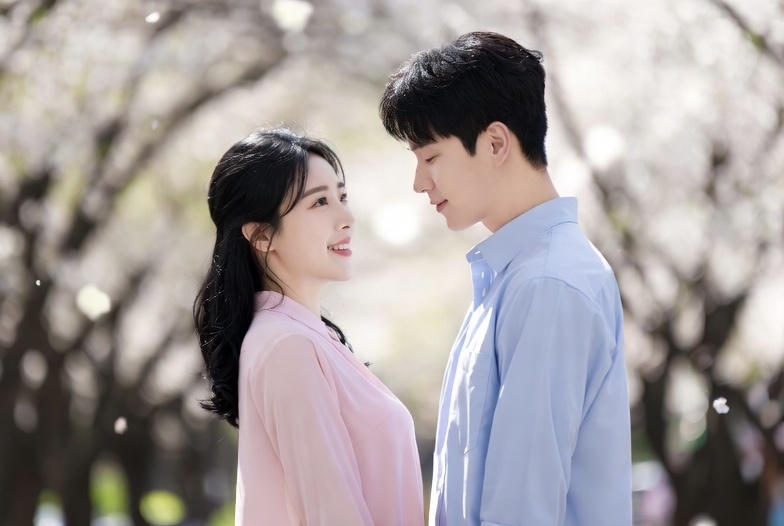
A deep dive into how romance truly works in modern Korean culture
Love in South Korea is a world of its own.
It’s gentle but structured, shy yet intense, quiet but deeply emotional.
It’s not exactly like K-dramas… yet somehow, it carries the same soft glow.
To understand Korean love, you have to understand Korean culture—
the traditions, the pressure, the politeness, and the obsession with small details that turn simple relationships into uniquely Korean love stories.
Let’s take a deep look into how people fall in love, date, fight, express affection, and even break up in South Korea.
The Beginning: Romance in Small Gestures
Korean relationships often start before the couple is “official.”
It usually begins with:
- Good morning / Good night texts
- “Eat well today.”
- “Drink water.”
- “Are you home yet?”
In many cultures, these are normal.
In Korea, these are signals. Tiny hints that someone is interested, without saying it directly.
Koreans often express affection through attention, not overly emotional words.
Care is shown through:
- consistency
- reliability
- small daily check-ins
- remembering likes/dislikes
- thoughtful surprises
A person who texts you every morning in Korea is basically saying:
“I’m interested. I’m here. I care.”
The Art of Matching: Couple Culture
One of the most iconic parts of Korean relationships is couple items.
If two people are dating, you’ll eventually see:
- couple shirts
- couple hats
- couple rings
- couple phone cases
- matching sneakers
- sometimes even matching pajamas
To outsiders, it’s cute—or maybe a little extra.
But in Korea, it’s meaningful.
It’s a way of saying:
“We’re together, and we’re proud of it.”
The couple ring is especially important.
It’s not an engagement ring—it’s a relationship ring, often exchanged at the 100-day mark.
The Stages of Dating: A Korean Pattern
Dating in South Korea tends to follow a clear, almost predictable timeline.
Stage 1: Getting to Know Each Other
Coffee dates, walks, texting often.
No clear labels yet.
Stage 2: “Some” (썸)
A unique Korean concept.
Not dating…
Not friends…
But clearly more than friends.
This is the period of:
- flirting
- testing comfort
- checking compatibility
- deciding if this is real
Stage 3: The Confession (고백)
A turning point.
One person asks:
“Will you be my boyfriend/girlfriend?”
Relationships don’t start naturally in Korea—
They begin with a formal confession.
This makes the relationship official.
Stage 4: The 100 Days
Unlike Western culture, where anniversaries are yearly,
Korean couples celebrate early milestones.
The 100th day is a huge deal:
- gifts
- cake
- photos
- special date
It symbolizes commitment.
Stage 5: Deep Relationship (Comfort Phase)
More natural, more relaxed, more honest.
This is where real compatibility shows.
The Challenges: Why Korean Love Is Complicated
Despite all the sweetness, relationships in Korea are not easy.
1. Long Working Hours
Koreans work some of the longest hours in the world.
This limits dating time and adds stress.
2. Social Pressure
Society cares a lot about:
- status
- job position
- education
- family background
Love can be overshadowed by expectations.
3. Communication Style
Koreans tend to be:
- indirect
- shy
- careful with words
Misunderstandings are common.
4. Quiet Emotions
Some partners struggle to express how they feel, even when they care deeply.
5. The Concept of “Reading the Air” (눈치)
You’re expected to understand hints without being told directly.
Great if you’re intuitive…
Very hard if you’re not.
The Beautiful Side: Why Korean Love Feels Special
Despite the complications, Korean relationships feel soft and meaningful because they are built on:
- thoughtfulness
- gentle communication
- steady routine
- loyalty
- comfort
There is a deep emotional sincerity behind small gestures.
It’s not loud love—
It’s consistent love.
Korean partners often show affection by:
- remembering your schedule
- buying your favorite snack
- waiting for your text
- walking you home
- fixing things quietly
- showing up when you need them
It’s emotional, but not dramatic.
It’s loving, but not overwhelming.
So What Makes Korean Love… Korean?
It’s the balance.
Cute + Structured
Shy + Deep
Quiet + Consistent
Korean love is:
- filled with tiny romantic moments
- built on emotional safety
- shaped by social culture
- expressed through actions more than words
- sweet, soft, and sometimes painfully slow
It’s not perfect.
It’s not simple.
But it’s undeniably beautiful.
Conclusion
Love in South Korea is a blend of tradition, modernity, politeness, emotional sensitivity, and everyday romance.
It’s cute.
It’s complicated.
And it’s unmistakably Korean.
Comments