K-Drama Addict’s Spiral Notebook – Pink & Black Edition 🎬✨ Keep your "Hallyu" spirit alive with this trendy and hilarious spiral notebook! Whether you're ranking your favorite Oppas or jotting down iconic quotes, this notebook is the ultimate companion for every K-Drama and K-Pop enthusiast. Product Highlights: • Bold Aesthetic: Features a chic Pink & Black color palette that screams K-Pop style. • Witty & Fun: Adorned with relatable K-Drama humor that only a true fan would understand. • Premium Build: A sturdy Spiral-bound design that lays flat for easy writing and maximum comfort. • Ample Space: Includes 100 high-quality pages —perfect for journaling, fan-fiction, or tracking your "Must-Watch" list. • The Perfect Gift: An ideal present for birthdays, holidays, or just to surprise the K-Drama lover in your life. From heart-fluttering moments to second-lead syndrome, document your entire K-Drama journey in style!" 🌸🖤 Click h...
Meta Description:
Discover Korean food culture, from kimchi and Korean BBQ to street food and modern cuisine. A complete guide to traditional Korean dishes and eating habits.
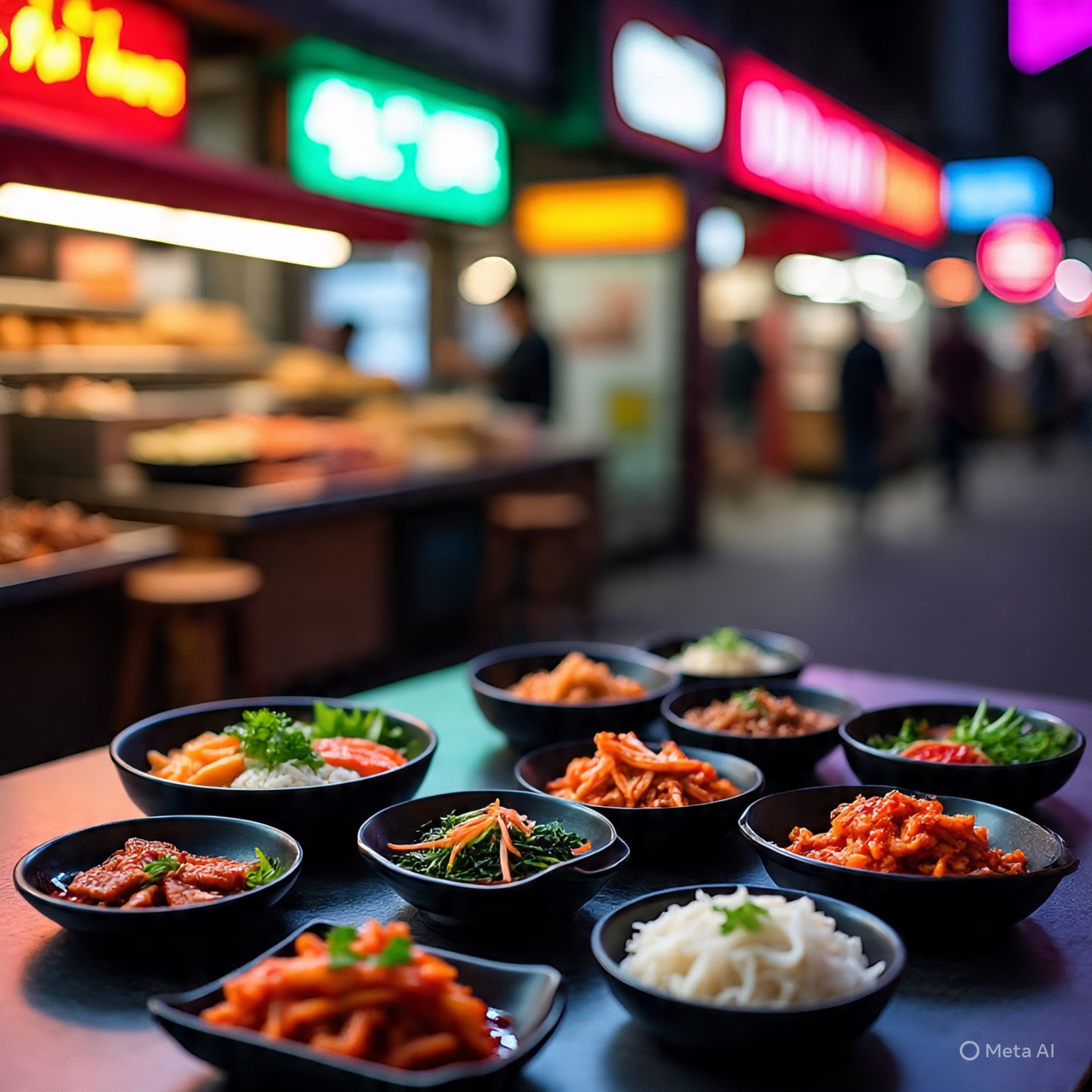
Introduction to Korean Food Culture
Korean food is more than just spicy flavors and noodles. It represents a deep cultural philosophy rooted in balance, health, and community. From traditional fermentation techniques to modern street food trends, Korean cuisine reflects centuries of history and lifestyle.
In recent years, Korean food has gained global popularity thanks to K-dramas, K-pop, and social media — but the reality is far richer than what appears on screen.
The Philosophy Behind Korean Cuisine
Korean cooking is based on the concept of balance. Most dishes aim to combine:
- Spicy
- Sweet
- Salty
- Bitter
- Sour
This balance is not accidental — it is believed to support digestion and overall health. That’s why Korean meals usually come with multiple side dishes known as Banchan.
Kimchi: The Heart of Korean Food
Kimchi is not just a side dish — it is a way of life in Korea.
Why Kimchi Is So Important:
- Eaten daily in most households
- Over 200 different varieties
- Rich in probiotics and nutrients
- Registered by UNESCO as Intangible Cultural Heritage
The traditional kimchi-making season, called Kimjang, brings families and communities together every winter.
Korean BBQ: More Than Just Meat
Korean BBQ is a social experience rather than a regular meal.
People gather around a grill, cook meat together, wrap it in lettuce, and share stories. This style of dining emphasizes:
- Community
- Sharing
- Slow enjoyment of food
Popular Korean BBQ items include bulgogi, samgyeopsal, and galbi.
Korean Street Food Culture
Street food plays a major role in everyday Korean life. It’s affordable, quick, and deeply connected to local culture.
Popular Korean street foods:
- Tteokbokki (spicy rice cakes)
- Hotteok (sweet pancakes)
- Korean corn dogs with unique toppings
Street food reflects the real lifestyle of Korean people more than luxury restaurants.
Seasonal Eating in Korea
Koreans strongly believe in eating according to the season.
- Summer: Cold noodles like Naengmyeon to cool the body
- Winter: Hot soups and stews for warmth and comfort
Food is closely linked to mood, weather, and physical condition.
Why Korean Food Is Popular Worldwide
Korean food has become global because it combines:
- Strong identity
- Health benefits
- Comfort and emotion
- Social connection
It’s not just about taste — it’s about experience.
Conclusion
Korean cuisine is a reflection of Korean life itself: balanced, communal, emotional, and seasonal. Whether it’s kimchi, BBQ, or street food, every dish tells a story.
Comments