Introduction In June 2000, South Korea and North Korea achieved a historic milestone with the first-ever Inter-Korean Summit. This unprecedented meeting between South Korean President Kim Dae-jung and North Korean leader Kim Jong-il marked a dramatic shift in relations on the Korean Peninsula after decades of hostility, division, and military tension. Background: Decades of Division Since the end of the Korean War in 1953, the Korean Peninsula had remained divided, heavily militarized, and politically frozen. Communication between the two Koreas was minimal, and mutual distrust defined their relationship for nearly half a century. The Sunshine Policy, introduced in 1998, laid the groundwork for dialogue by promoting engagement, humanitarian cooperation, and confidence-building measures rather than confrontation. The 2000 Pyongyang Summit From June 13 to June 15, 2000, President Kim Dae-jung visited Pyongyang, becoming the first South Korean leader to do so. His...
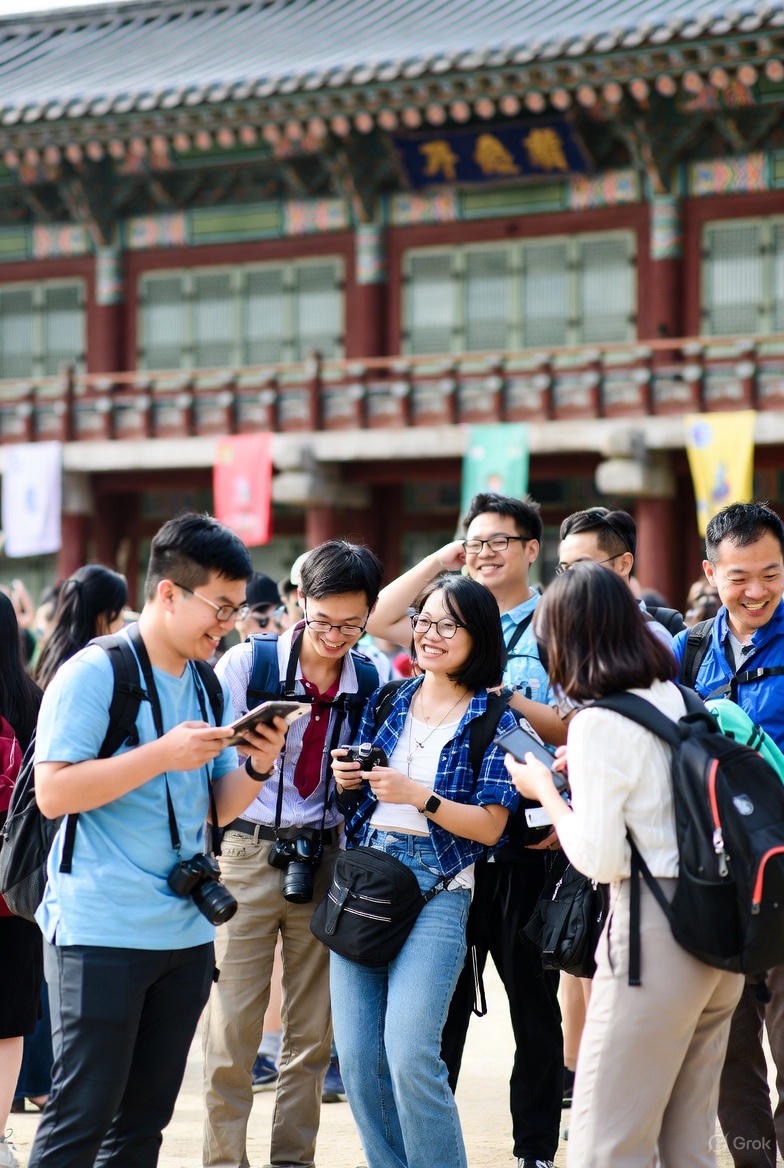
Over the past two decades, South Korea has transformed into a global powerhouse, not only in technology and manufacturing but also in culture, entertainment, and lifestyle.
This phenomenon, widely known as Korean Wave (Hallyu), has driven massive international interest.
So, which countries are most interested in South Korea—and why?
Japan – High Cultural Consumption Despite Historical Tensions
Japan is one of the largest consumers of Korean cultural content, particularly:
- K-Dramas
- K-Pop
- Korean fashion and beauty trends
Despite political and historical challenges, Korean entertainment consistently ranks among the most viewed foreign content in Japan.
China – Massive Public Demand and Market Influence
China remains a key driver of global interest in South Korea:
- Korean cosmetics dominate beauty trends
- Korean celebrities have massive fan bases
- Korean TV series and films maintain strong demand
Even with periodic restrictions, Chinese audiences continue to follow Korean culture through digital platforms.
United States – Strategic, Cultural, and Technological Interest
The United States has seen a sharp rise in interest in South Korea due to:
- Global success of K-Pop groups like BTS and BLACKPINK
- Academy Award–winning Korean films
- Technological leadership of Korean brands (Samsung, Hyundai, LG)
South Korea is now perceived as a cultural innovator and strategic partner in the U.S.
Thailand – One of the Strongest Hallyu Markets in Southeast Asia
Thailand demonstrates exceptionally high engagement with Korean culture:
- Korean dramas consistently trend on TV and streaming platforms
- Korean language education is rapidly growing
- South Korea is a top travel destination for Thai tourists
Korean celebrities heavily influence beauty standards and lifestyle choices in Thailand.
Indonesia – Youth-Driven Cultural Expansion
Indonesia’s interest in South Korea is fueled largely by its young population:
- K-Pop fandom is among the largest globally
- Korean fashion and food trends are widely adopted
- Strong Korean investments in manufacturing and energy
South Korea is seen as a modern development model by Indonesian youth.
Vietnam – Deep Economic and Cultural Integration
Vietnam holds one of the closest relationships with South Korea:
- Major Korean corporations operate large manufacturing hubs
- Strong people-to-people connections
- Korean dramas and language education are extremely popular
For many Vietnamese, South Korea represents economic success and social mobility.
Middle East & Gulf Countries – Growing Strategic Interest (Saudi Arabia Focus)
Interest in South Korea is rising rapidly in the Gulf region, particularly Saudi Arabia:
- Cooperation in energy, construction, and smart cities
- Increased demand for Korean technology and innovation
- Growing popularity of Korean entertainment among younger audiences
South Korea is increasingly viewed as a future-focused innovation partner.
Why Is Global Interest in South Korea Growing?
Key factors behind South Korea’s global appeal:
- Strong government-backed cultural exports
- High-quality entertainment and digital content
- Advanced technology and global brands
- Strategic international partnerships
- Effective soft power strategy
Conclusion
The countries most interested in South Korea include:
- Japan
- China
- United States
- Thailand
- Indonesia
- Vietnam
- Gulf countries (especially Saudi Arabia)
South Korea’s influence is structural, long-term, and continuously expanding, positioning it as one of the most influential countries of the 21st century.
Comments