K-Drama Addict’s Spiral Notebook – Pink & Black Edition 🎬✨ Keep your "Hallyu" spirit alive with this trendy and hilarious spiral notebook! Whether you're ranking your favorite Oppas or jotting down iconic quotes, this notebook is the ultimate companion for every K-Drama and K-Pop enthusiast. Product Highlights: • Bold Aesthetic: Features a chic Pink & Black color palette that screams K-Pop style. • Witty & Fun: Adorned with relatable K-Drama humor that only a true fan would understand. • Premium Build: A sturdy Spiral-bound design that lays flat for easy writing and maximum comfort. • Ample Space: Includes 100 high-quality pages —perfect for journaling, fan-fiction, or tracking your "Must-Watch" list. • The Perfect Gift: An ideal present for birthdays, holidays, or just to surprise the K-Drama lover in your life. From heart-fluttering moments to second-lead syndrome, document your entire K-Drama journey in style!" 🌸🖤 Click h...
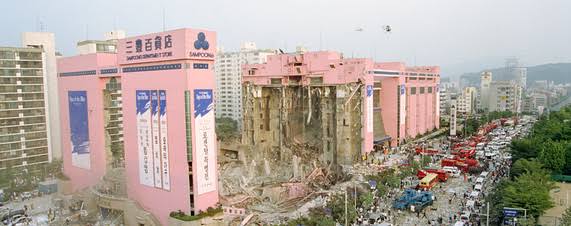
In 1995, South Korea experienced one of the deadliest peacetime disasters in its modern history: the collapse of the Sampoong Department Store in Seoul.
This tragedy not only shook the nation but also exposed critical weaknesses in construction standards, corruption, and urban safety regulations.
On June 29, 1995, the five-story building suddenly collapsed during peak shopping hours. Poor design changes, illegal structural modifications, and ignored warning signs led to the catastrophe. Over 500 people lost their lives, and thousands were injured, making it one of the worst building failures in the world.
Investigations revealed that the collapse was preventable.
Engineers had warned of cracks appearing in the structure days earlier, but store executives prioritized business operations over safety. This scandal ignited public outrage and triggered sweeping reforms in construction laws, safety inspections, and urban planning.
The disaster became a turning point in South Korea’s modernization journey, reminding the country that rapid economic growth must be paired with accountability and strict safety regulations.
Key Point: The Sampoong collapse exposed the dark side of Korea’s rapid development and forced the nation to rebuild trust through stronger safety and construction standards.
Comments