In a country widely admired for its technological advancement, ultra-fast internet, and smart cities, South Korea today is grappling with one of its most sensitive and complex social issues: the rise of digital sex crimes and the widespread leaking of private footage through hacked smart cameras. Although South Korea has long been seen as a pioneer of digital innovation, the same technology has created a new environment filled with legal, ethical, and social challenges. How the Crisis Began: When Smart Tech Becomes a Threat Over the past months, Korean media has been shaken by shocking revelations: Tens of thousands of private clips—captured through home security cameras, office cameras, and even hotel devices—were leaked and sold through hidden online networks. The real shock was not just the existence of these videos, but the scale of the breach and how easily hackers were able to access devices used daily by millions of people. Why This Is Not Just a Crime, But a Social Issue Beca...
In 1992, South Korea made history by electing Kim Young-sam as its first civilian president in over three decades. His victory marked a significant milestone — the official end of military dominance in Korean politics.
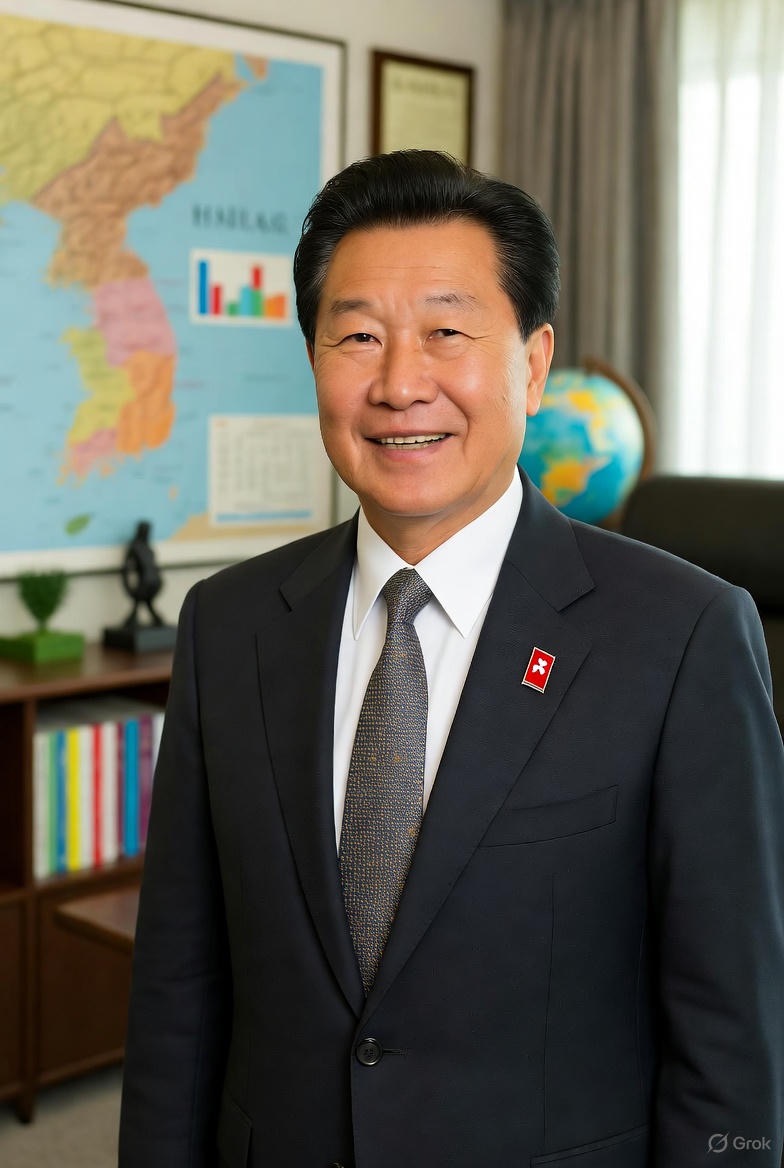
Kim Young-sam, a long-time pro-democracy activist, symbolized the people’s desire for transparency, reform, and accountability. His presidency represented hope for a new political era where corruption would be challenged, and civic rights would be strengthened.
Once in office (in early 1993), Kim launched several bold reforms. He fought against corruption by requiring government officials to disclose their financial assets and worked to modernize the economy through deregulation and global engagement. These efforts helped rebuild public trust and prepared Korea to join the ranks of advanced democracies.
However, his term was not without challenges — rapid globalization, rising social expectations, and the beginnings of economic instability later in the decade. Still, Kim’s leadership redefined what it meant to have civilian power in Korea’s political landscape.
Key Point: The 1992 election proved that democracy in South Korea was no longer a dream — it had become reality, led by a president chosen by the people, not the military.
Comments