In a country widely admired for its technological advancement, ultra-fast internet, and smart cities, South Korea today is grappling with one of its most sensitive and complex social issues: the rise of digital sex crimes and the widespread leaking of private footage through hacked smart cameras. Although South Korea has long been seen as a pioneer of digital innovation, the same technology has created a new environment filled with legal, ethical, and social challenges. How the Crisis Began: When Smart Tech Becomes a Threat Over the past months, Korean media has been shaken by shocking revelations: Tens of thousands of private clips—captured through home security cameras, office cameras, and even hotel devices—were leaked and sold through hidden online networks. The real shock was not just the existence of these videos, but the scale of the breach and how easily hackers were able to access devices used daily by millions of people. Why This Is Not Just a Crime, But a Social Issue Beca...
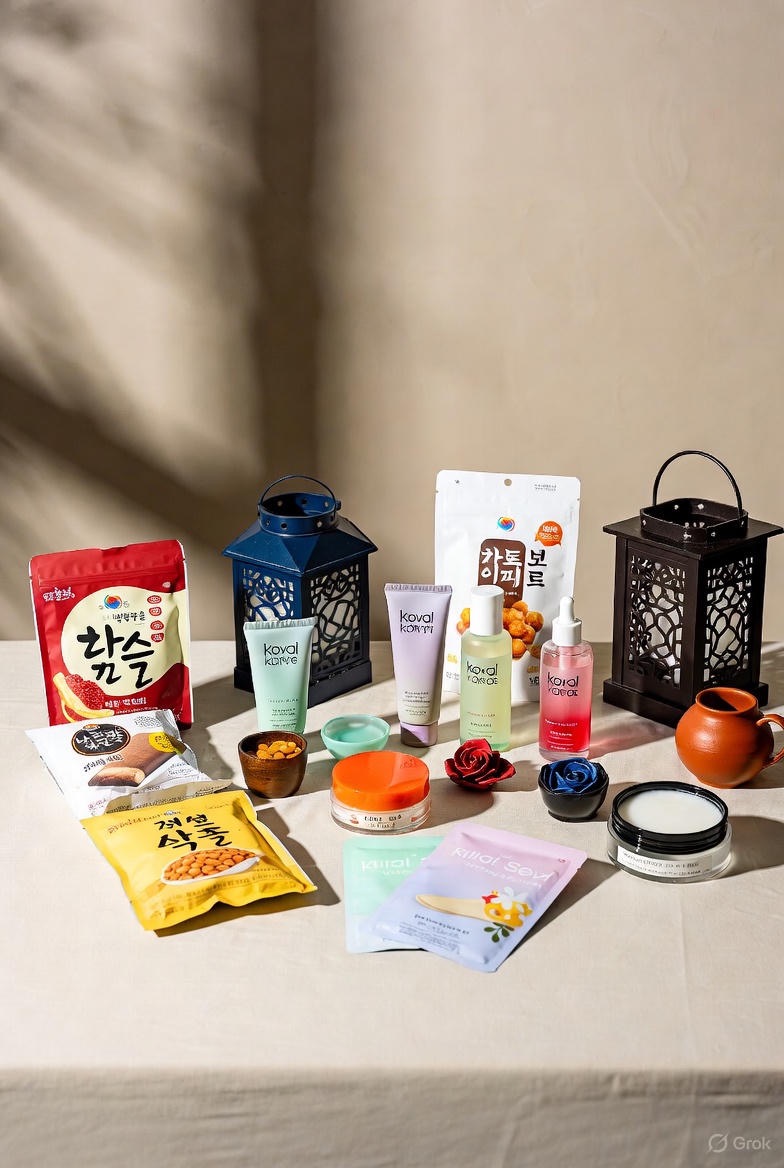
South Korea has long been recognized as a global trendsetter in beauty, technology, food, and lifestyle innovations. But nothing prepares you for the moment you actually hold these items in your hands — using them, tasting them, and discovering why they’ve become cultural staples for millions.
During my latest exploration, I selected a range of Korean products that people constantly talk about, and I tested each one thoroughly for weeks. Below is my full, honest, and detailed review — not just what these items are, but why Korean culture made them this way, how effective they are, and whether they’re worth buying.
This guide serves as a deep dive into the Korean consumer experience.
1. Korean Skincare Pads — The Quiet Revolution of K-Beauty
Korean skincare pads are more than simple cotton soaked in toner.
They are a reflection of Korea’s philosophy: maximize results with minimal effort.
Unlike Western toners or cleansers, these pads are formulated with:
- Multi-layer fiber technology
- Mild AHA/BHA concentrations
- Botanical extracts like tea tree, centella, and rice water
- Dual-sided texture (one for exfoliation, the other for soothing)
My Personal Experience
I used them every night for 14 days. What surprised me most was:
- No irritation, even with sensitive skin
- Noticeable brightening
- Reduced rough texture on the forehead and nose
- Skin felt refreshed even on days with no sleep
The convenience alone makes them a must-have — especially for travelers, students, and busy professionals.
2. Honey Butter Almonds — Korea’s Sweet, Addictive Cultural Icon
If there’s a Korean snack with a global cult following, it’s honey butter almonds.
But why are they so popular?
Why Koreans Love Them
Korean snack culture is built on flavor balance: sweet + salty + creamy + crunchy.
Honey butter almonds hit all four perfectly.
My Taste Test
I tried three different flavors:
- Original: Balanced, smooth, addictive
- Caramel Almond: Slightly sweeter with a richer smell
- Tiramisu Almond: My favorite — strong aroma, dessert-style taste
Best Part
They don’t taste artificial. The honey coating feels natural, and the crunch stays even after the bag is opened.
This snack is more than food — it’s a Korean souvenir people fight to bring back home.
3. Korean Portable Mini Fan — A Smart Gadget With Seoul’s DNA
In Korea’s humid summers, a portable fan is not a luxury — it’s survival.
You’ll see everyone using one: students, subway commuters, street vendors, and even office workers during lunch breaks.
Why Korean Fans Are Different
- Multi-blade airflow
- Noise reduction technology
- Long battery life (7–12 hours average)
- USB-C charging
- Compact but powerful motors
My Performance Test
I used it outdoors at 35°C heat:
- Strong cooling even at the lowest level
- Didn’t overheat
- Battery lasted almost a full day
- Lightweight enough to carry everywhere
This is the type of gadget you buy once and regret not buying earlier.
4. Laundry Perfume Beads — Korea’s Secret to Long-Lasting Freshness
Most regions use fabric softeners.
Korea said: Let’s take that to the next level.
Laundry perfume beads have become a household essential in Korean homes.
Why They Stand Out
- Fragrance lasts up to 2 weeks
- Uses micro-capsule technology
- Safe for sensitive skin versions
- Works even with cold water washing
- Available in unique Korean scents (cotton blossom, bamboo fresh, floral tea)
My Real Result
After using them:
- Clothes smelled like a luxury boutique
- Towels stayed fresh longer
- The scent survived the dryer
- Zero residue on fabrics
This is one of those items you end up buying in bulk because it upgrades your entire home routine.
5. LED Facial Mask — A High-Tech Skincare Tool Made for Consistency
LED therapy started in clinics, but Korea brought it to homes with safer intensity levels and better comfort.
Science Behind It
Korean LED masks typically use:
- Red light (630–650nm): Anti-aging
- Blue light (450–470nm): Acne reduction
- Near-infrared: Improves circulation
- Yellow light: Brightening
My Long-Term Test (21 Days)
After using it consistently:
- Fine lines around eyes became softer
- Skin tone improved
- Pores looked slightly smaller
- My skin felt firmer and more active
It’s not a miracle device — but with consistency, the difference is real and visible.
Conclusion: Korea Designs Products for Daily Life — Not Just for Trend
What shocked me while testing all these items is how practical they are.
Korean products don’t become viral because of marketing — they become viral because they solve everyday problems in smart, simple, and beautiful ways.
Whether it’s a snack, gadget, or skincare tool, Korean products are built on three principles:
- Efficiency
- User-Friendly Design
- Consistency
If you’re exploring Korean products for the first time, these items are a perfect starting point.
Comments