In a country widely admired for its technological advancement, ultra-fast internet, and smart cities, South Korea today is grappling with one of its most sensitive and complex social issues: the rise of digital sex crimes and the widespread leaking of private footage through hacked smart cameras. Although South Korea has long been seen as a pioneer of digital innovation, the same technology has created a new environment filled with legal, ethical, and social challenges. How the Crisis Began: When Smart Tech Becomes a Threat Over the past months, Korean media has been shaken by shocking revelations: Tens of thousands of private clips—captured through home security cameras, office cameras, and even hotel devices—were leaked and sold through hidden online networks. The real shock was not just the existence of these videos, but the scale of the breach and how easily hackers were able to access devices used daily by millions of people. Why This Is Not Just a Crime, But a Social Issue Beca...
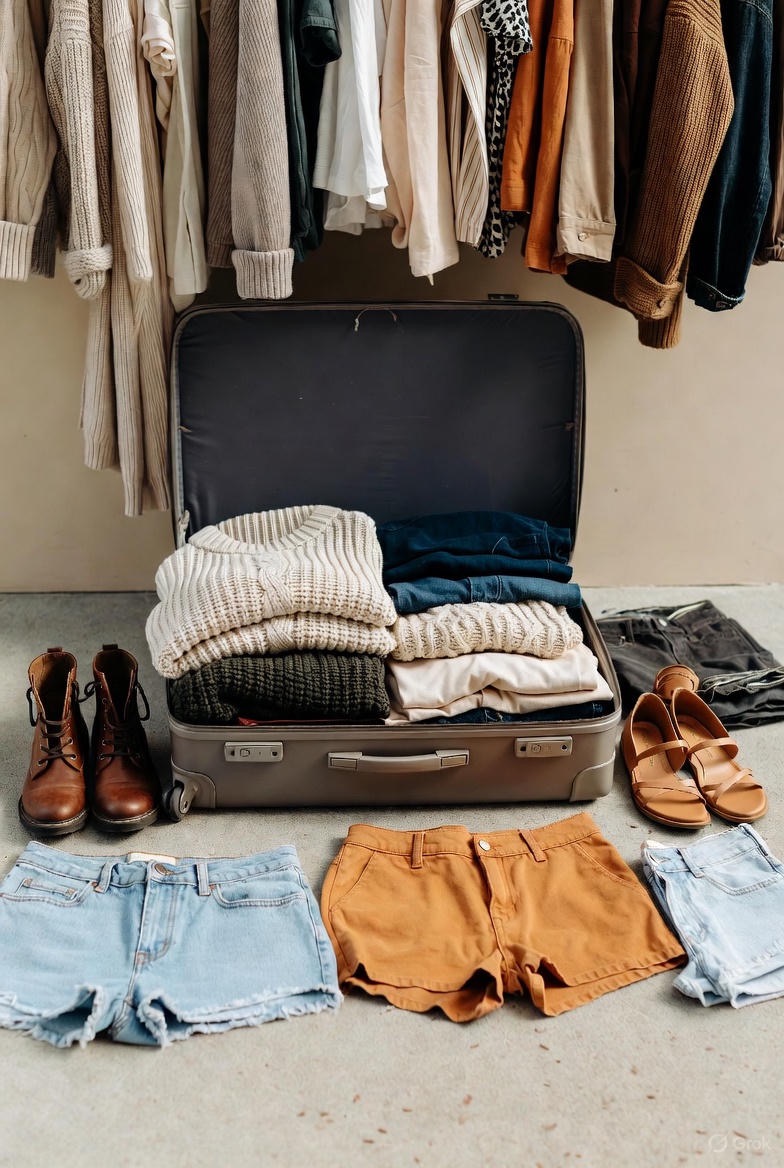
South Korea is a country that refuses to be boring, especially when it comes to weather. In one calendar year, you can freeze your face off in Seoul, sweat through your T-shirt in Busan, dance under cherry blossoms in spring, and chase red maple leaves in autumn. The climate doesn’t just change — it transforms the entire country. And if you pack wrong, you’ll either be shivering in a palace courtyard or melting on the subway.
This monster-long blog post is your no-nonsense, season-by-season packing bible for South Korea. I’ve lived here for years, survived −18 °C winters and 38 °C summers with 90 % humidity, and I’m spilling everything I wish someone had told me before my first trip.
WINTER (December – February)
Average temps: −6 °C to 3 °C in Seoul (colder up north, milder in Jeju)
Winter in Korea is serious. It’s dry, windy, and the cold bites through jeans like they’re made of paper. Seoul’s famous “wind chill” will make you question every life choice that led you here without proper gear.
What to Pack for Korean Winter:
- A proper down jacket or parka rated to at least −15 °C (Uniqlo Ultra Light Down is NOT enough on windy days). Brands Korean locals swear by: The North Face, Kolon Sport, Black Yak, Eider, Nefos.
- Heattech everything (Uniqlo Heattech is a religion here for a reason). Bring at least 3–4 ultra-warm Heattech tops and leggings.
- Thermal base layers (merino wool or synthetic).
- Fleece-lined leggings or long johns to wear under jeans.
- Waterproof, insulated boots with good grip (streets turn into ice rinks). Sorel, Columbia, or Korean brand K2 are popular.
- Cashmere or wool scarves (huge and cozy — Korean women wrap them like blankets).
- Touchscreen gloves + thin liner gloves underneath.
- A warm beanie that covers your ears.
- Moisturizer, lip balm, eye drops — the air is brutally dry.
- Hand warmers (Hot Hands or Korean “Hot Pack” — sold everywhere for 500–1000 won).
- Face mask or balaclava (both for cold and air pollution on bad days).
Pro tip: Layering is life. You’ll be freezing outside but boiling inside heated cafés and subways.
SPRING (March – May)
Average temps: 5 °C → 20 °C (cherry blossoms usually early–mid April)
Spring is Korea’s golden child — everyone is happier, the country explodes in pink, and you’ll take 10,000 photos under cherry blossom tunnels. But it’s sneaky: mornings can still be near freezing, while afternoons hit 20 °C.
What to Pack for Korean Spring:
- Light trench coat or waterproof windbreaker (rain is common).
- Cardigans, light sweaters, hoodies — perfect for layering.
- Long-sleeve shirts + T-shirts (you’ll peel layers as the day warms).
- Comfortable sneakers (you’ll walk 20,000 steps chasing blossoms in Gyeongju, Jinhae, or Yeouido).
- Jeans, chinos, or light pants.
- A foldable umbrella (sudden showers are real).
- Light scarf for chilly mornings and windy evenings.
- Allergy meds if you’re sensitive to pollen (azaleas + cherry blossoms = sneeze fest).
Best spring outfit formula: T-shirt + cardigan + trench + sneakers. You can add or remove layers in 30 seconds.
SUMMER (June – August)
Average temps: 25–35 °C + 70–90 % humidity (feels like 40 °C+)
Welcome to the tropical sauna. Korean summer is HOT, WET, and relentless. There’s a reason every convenience store sells portable fans and ice coffee is a food group.
What to Pack for Korean Summer:
- Breathable, quick-dry clothes (linen, cotton, moisture-wicking fabrics).
- Short-sleeve shirts, tank tops, lightweight dresses.
- Shorts and skirts (Koreans wear them, don’t worry about “modesty” myths in cities).
- A super light rain jacket or poncho (monsoon season “jangma” hits July–early August).
- Foldable umbrella (again — sudden downpours).
- Portable mini fan (mandatory — Daiso sells them for 5,000 won).
- Sunscreen SPF50+ (Koreans are obsessed for good reason).
- Hat or visor.
- Extra underwear and socks (you’ll change multiple times a day).
- Waterproof phone case (for beach trips and sudden rain).
- Sandals or breathable sneakers (Crocs and sandals are totally acceptable in summer).
Pro tip: Bring a small towel or handkerchief. Everyone carries one to wipe sweat. It’s not weird — it’s survival.
AUTUMN (September – November)
Average temps: 10 °C → 25 °C in September, down to 0 °C by late November
Autumn is peak Korea. The weather is perfect, the foliage is insane (especially Seoraksan, Naejangsan, and Jeju), and everyone is in a good mood because summer is finally over.
What to Pack for Korean Autumn:
- Light jacket for September (denim, bomber, or windbreaker).
- Medium-weight coat for October/November (wool coat, trench, padded jacket).
- Long-sleeve shirts, thin sweaters, hoodies.
- Scarves (fashion + function — mornings are crisp).
- Jeans and comfortable pants.
- Ankle boots or stylish sneakers (perfect walking weather).
- Layering pieces (the temperature swings 10–15 °C between day and night).
This is the season when Koreans pull out their best outfits. You’ll see incredible coat game in Seoul — feel free to dress up!
Year-Round Essentials (No Matter the Season)
- Comfortable walking shoes (you’ll easily hit 15,000–25,000 steps a day).
- Portable charger (Korea is Pokémon Go and KakaoMap heaven).
- Reusable water bottle (free cold/hot water everywhere).
- Travel adapter (Korea uses Type F plugs, 220 V).
- Face masks (still common on public transport and crowded places).
- Small backpack or cross-body bag (for day trips).
- Download Naver Maps (Google Maps is unreliable here).
Final Checklist by Season
Winter → Think “Arctic explorer who still wants to look cute on Instagram.”
Spring → Layers, layers, layers + cherry blossom vibes.
Summer → Minimal fabric, maximum breathability.
Autumn → Cozy chic, perfect weather for everything.
Pack smart, dress right, and South Korea will reward you with one of the most visually stunning, delicious, and unforgettable trips of your life — no matter what month you arrive.
Now tell me in the comments: Which season are you visiting Korea, and what’s the one item you’re most worried about packing? I’ll reply with extra tips! 💕
Safe travels, and see you under the ginkgo trees (or in a steaming hot jjimjilbang)!
Comments